Roofers in Thornton-Cleveleys
Many homes in Thornton-Cleveleys were built during the inter-war period or in the decades that followed, with semi-detached layouts and suburban designs common across the area. These properties often carry interlocking concrete tiles or traditional clay tiles, which face constant exposure to wind-driven rain and salt spray from the Irish Sea. Underneath, the ground consists of marine silts and sands over boulder clay, a combination that can affect drainage and long-term roof performance.
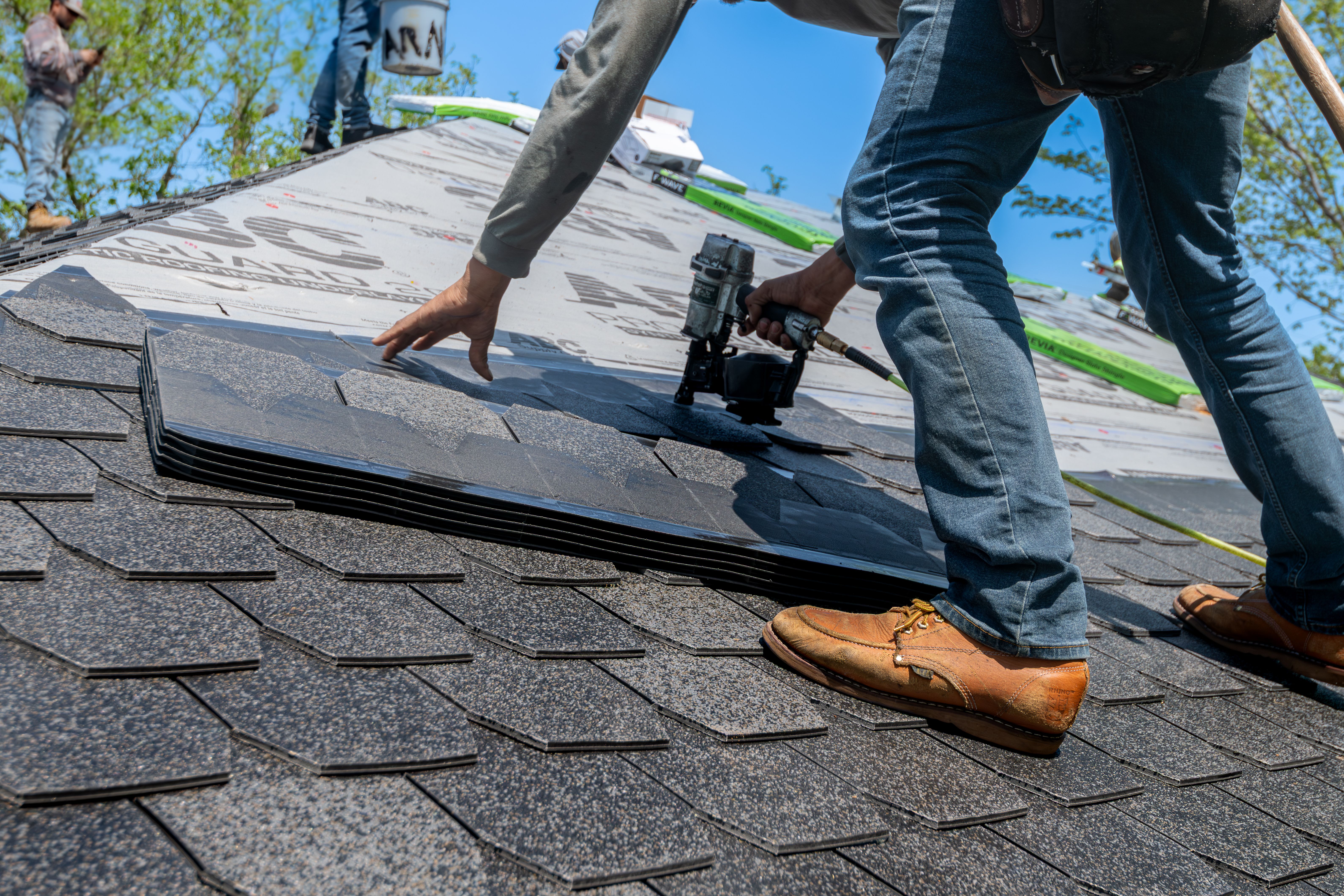
Thornton-Cleveleys homes and their roofing challenges
The housing stock here is largely made up of inter-war semi-detached houses and mid-to-late twentieth-century developments. Their roofs typically use interlocking concrete tiles or plain clay tiles, both of which suffer from mortar loss at ridges and verges due to the coastal climate. Salt-laden winds accelerate weathering, and the underlying marine silts offer poor drainage, increasing the risk of water retention around roof abutments and flat roof edges.
Signs you might need roofing work
Each type of roofing issue shows distinct signs. Spotting them early helps avoid bigger damage.
Roof Repairs
Loose or missing tiles, especially after storms, often signal the need for targeted repairs rather than full replacement.
Roof Replacement
Widespread tile degradation, sagging rooflines or persistent leaks despite patching usually mean a full replacement is more cost-effective.
Flat Roof Repairs and Installation
Ponding water, blistered membranes or interior damp near flat roof junctions suggest repair or re-covering is needed.
Chimney Repairs and Repointing
Cracked or crumbling mortar on chimney stacks, or staining on internal walls below, points to failed repointing that lets water in.
Guttering, Fascias and Soffits
Peeling paint, rotting wood behind gutters or water spilling over during rain indicates failing fascias or blocked downpipes.
Emergency Leak Repairs
Sudden ceiling stains, dripping during rain or visible daylight through roof coverings require immediate attention to limit interior damage.
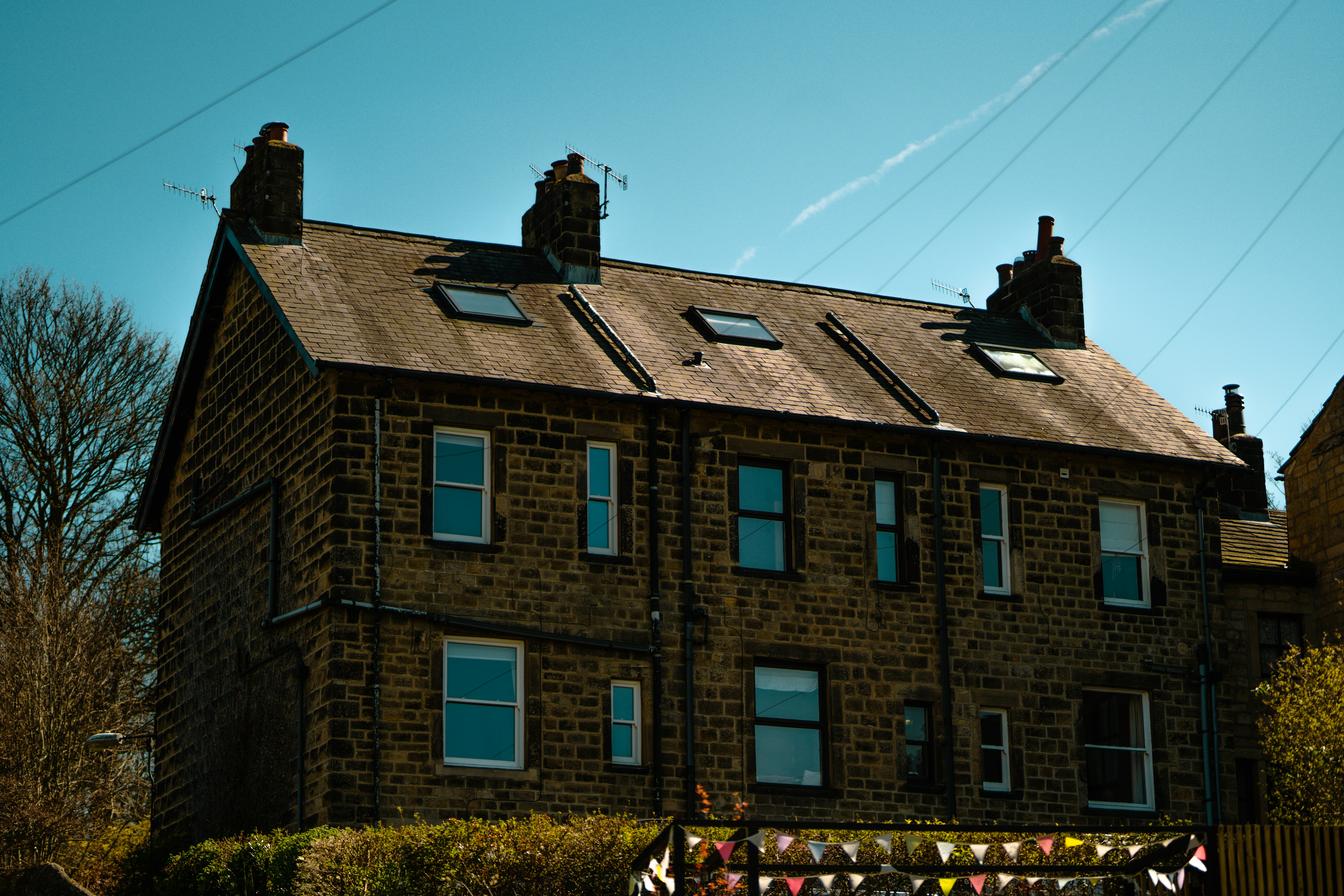
What gets done, and why it matters here
Roof repairs in Thornton-Cleveleys often focus on securing loose tiles and rebedding ridge sections weakened by salt corrosion. Replacements typically involve matching original tile profiles while upgrading underlays to handle driving rain.
Flat roofing work addresses ponding caused by subtle settlement on the soft coastal subsoil. Chimney repointing uses lime-rich mortar suited to older brickwork, and guttering replacements include oversized downpipes to manage heavy runoff from compact urban plots.
What you get after a visit
A specialist inspects your roof and gives clear answers based on what they find.
Clear cause of leaks
The inspection identifies whether water entry stems from failed tiles, degraded mortar, blocked gutters or condensation, and rules out guesswork.
Photos and notes
Key issues are recorded with annotated photos so you can see exactly what needs doing and why.
Options explained
You receive a straightforward explanation of repair versus replacement, including how coastal exposure affects longevity.
Insurance claim support
If storm damage is confirmed, the report includes wording suitable for building insurance claims under standard UK policies.
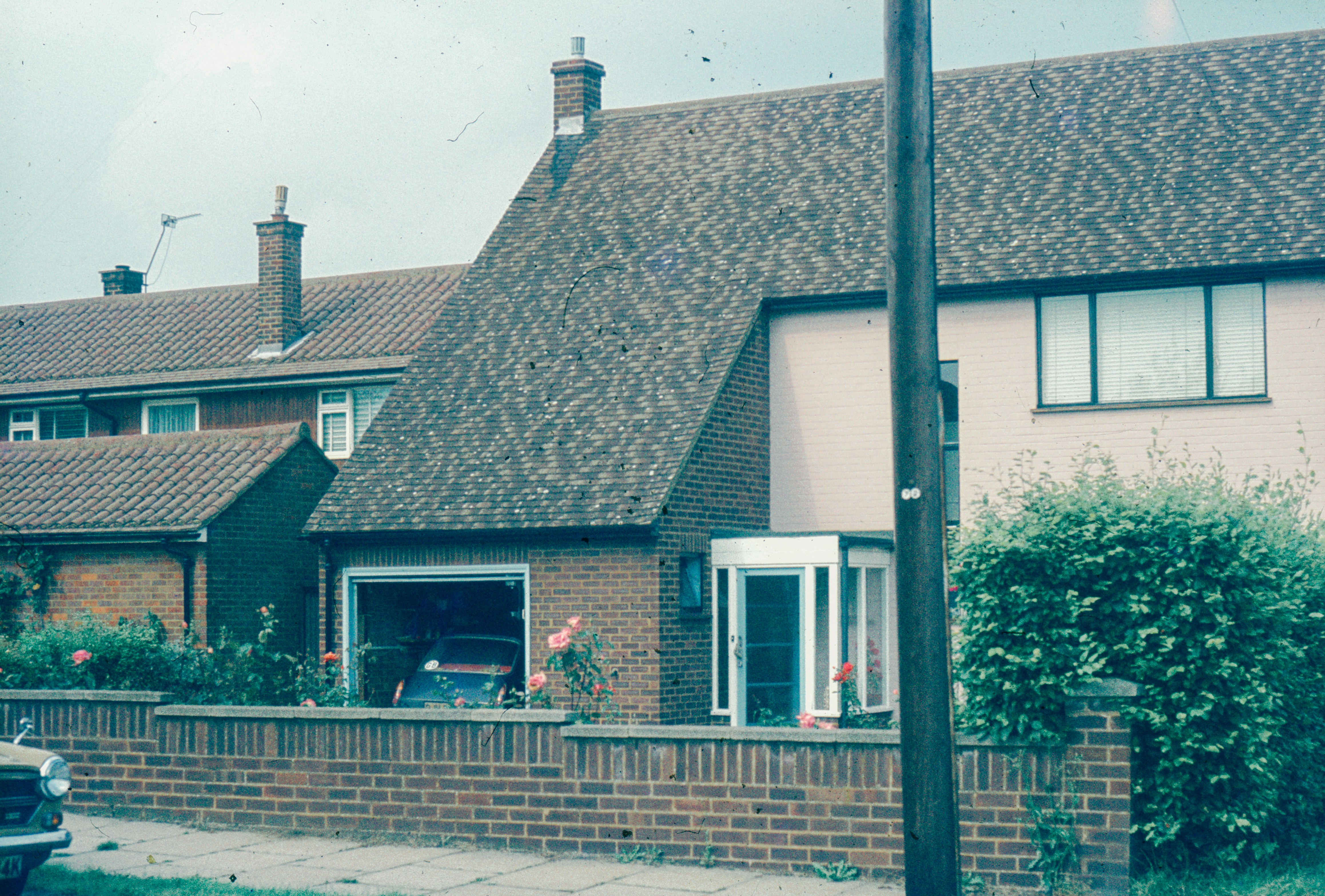
What people ask us about roofing
Do you cover both Thornton and Cleveleys?
Yes. Enquiries from all parts of Thornton-Cleveleys go to one specialist firm covering the whole area, including Bispham, Poulton-le-Fylde and Lytham St Annes.
Are concrete tiles harder to match than clay?
Often yes, older concrete tiles fade and erode differently than new ones. The specialist checks remaining tiles for profile and colour match before quoting repairs.
Can salt really damage roof mortar that fast?
It can. Salt crystallisation inside mortar joints expands with each wet-dry cycle, spalling the surface within years on exposed coastal stacks and verges.
Will I need scaffolding for small repairs?
Usually yes for safety and access, especially on two-storey homes. The specialist confirms this during the initial inspection and includes it in the scope.
Get local roofing help
A specialist covering Thornton-Cleveleys will contact you directly to discuss what your roof needs.