Chimney repairs in Cleveleys
Many homes in Cleveleys were built between the 1930s and 1960s, with semi-detached layouts and pitched roofs covered in clay or concrete interlocking tiles. More recent infill developments along the coast follow similar forms but face faster wear from salt-laden winds.
Seafront properties take the brunt of driving rain and high wind loads, which push moisture through verges and degrade flashings. Timber roof structures in these houses can soften over time where water finds its way past compromised pointing or cracked chimney stacks.
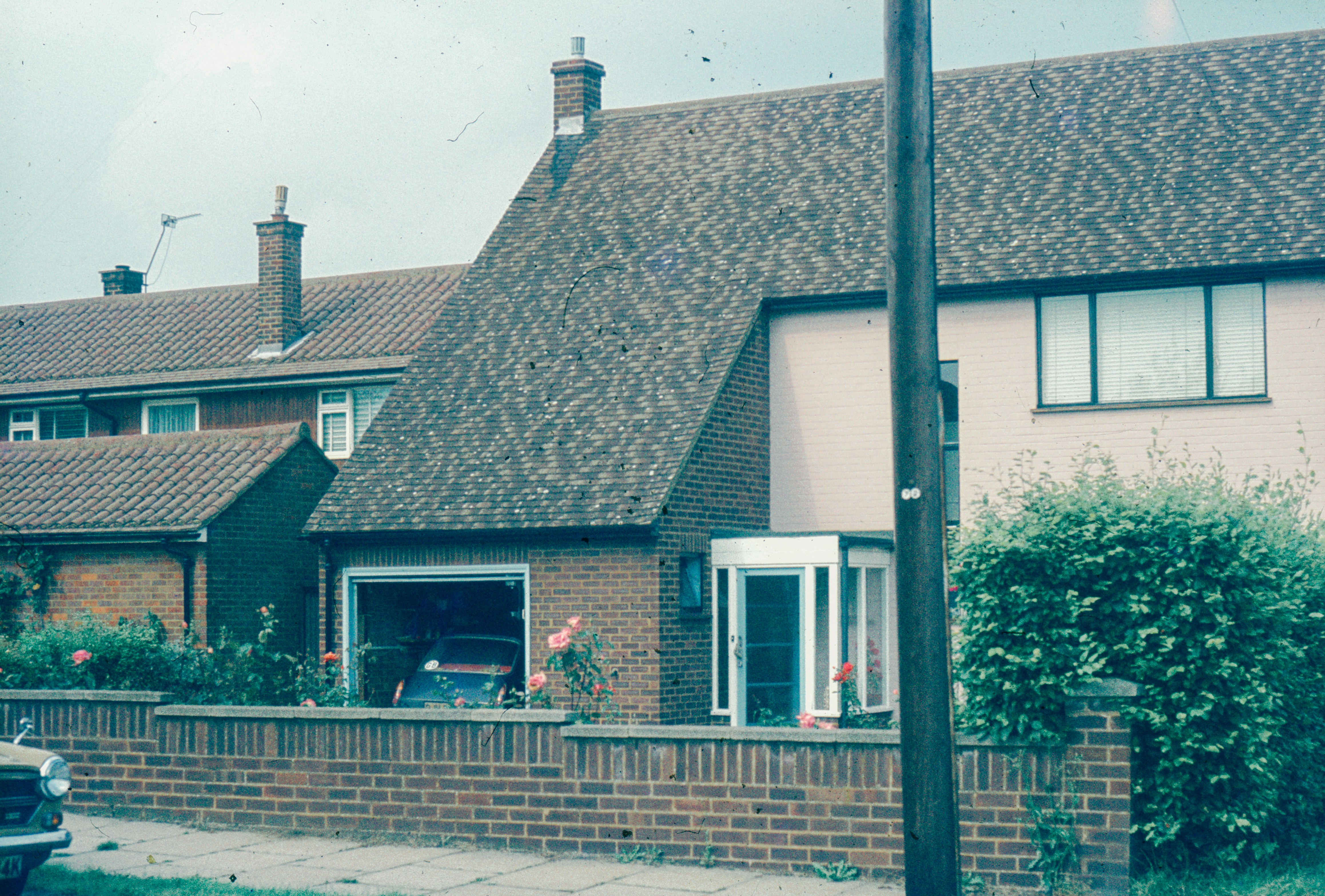
Cleveleys housing and coastal exposure
Cleveleys features predominantly inter-war and post-war semi-detached housing stock alongside more modern coastal infill developments. Properties situated directly on the seafront experience accelerated degradation of roof fixings and flashings due to marine salt exposure and high wind loads. Pitched roofs in the area commonly utilise traditional clay or concrete interlocking tiles supported by timber framing susceptible to weathering.
Signs you may need work
Each service addresses specific wear patterns common in Cleveleys homes exposed to coastal conditions.
Roof Repairs
Loose or slipped tiles after storms often signal failed battens or corroded nails, common where salt air speeds metal decay.
Roof Replacement
When more than a quarter of tiles are damaged or the timber deck shows rot, full replacement prevents ongoing leaks into ceilings or walls.
Flat Roof Repairs and Installation
Ponding water or blistered membranes on garage or extension roofs usually mean the existing felt or EPDM has lost adhesion due to UV and salt exposure.
Chimney Repairs and Repointing
Crumbled mortar or leaning stacks often stem from freeze-thaw cycles acting on salt-contaminated joints; repointing halts water tracking down into the roof structure.
Guttering, Fascias and Soffits
Sagging gutters or peeling paint on soffits typically show trapped moisture behind blocked outlets, a frequent issue where coastal debris clogs downpipes.
Emergency Leak Repairs
Sudden drips during gales usually trace back to displaced ridge tiles or failed lead soakers around chimneys, both vulnerable to Cleveleys’ persistent crosswinds.
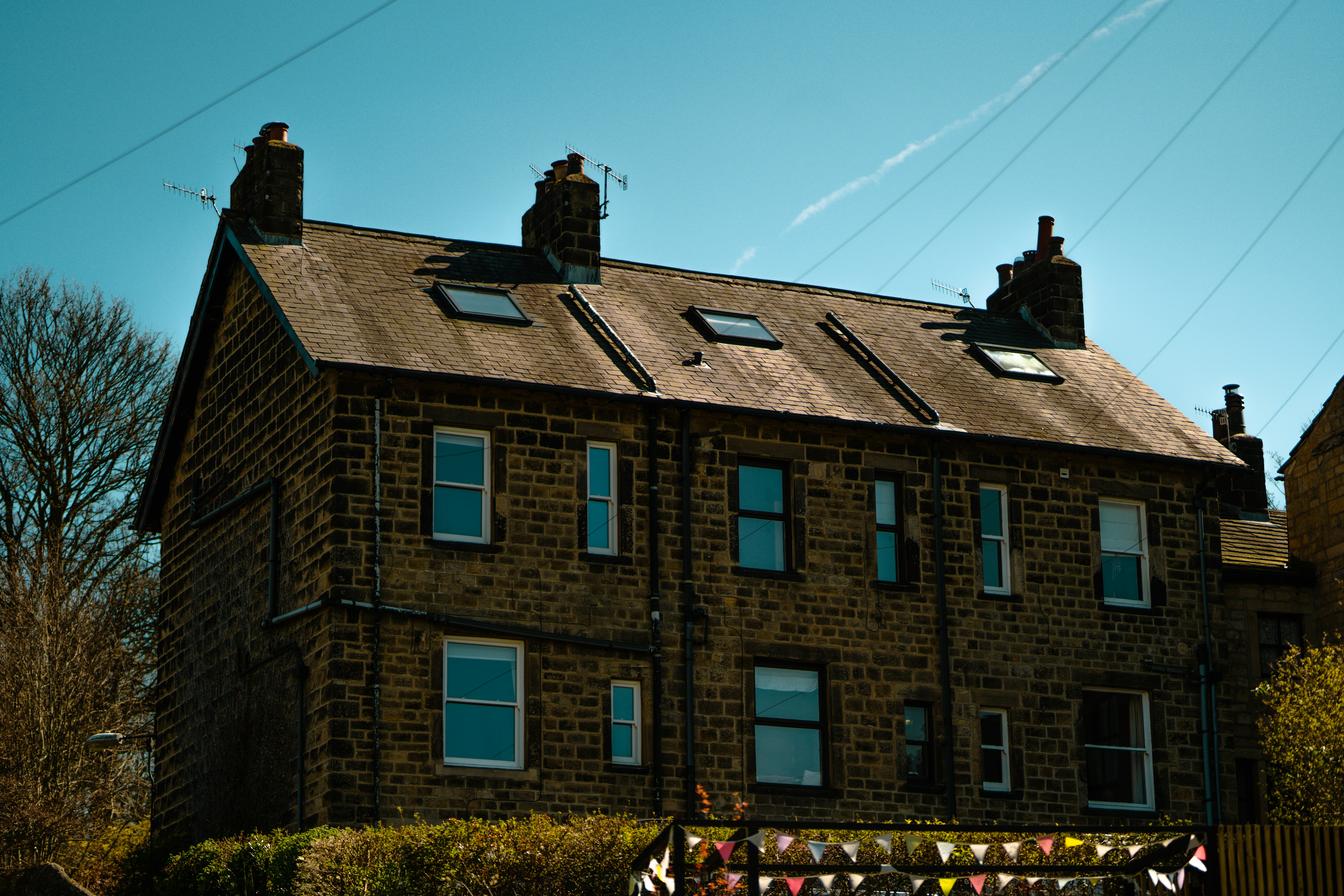
Work suited to Cleveleys conditions
Chimney work here focuses on resealing stacks against wind-driven rain using lime-rich mortar that breathes yet resists salt erosion. Repairs to verges and hips use stainless steel fixings to counter corrosion from sea spray.
Flat roofing on extensions or garages is upgraded with UV-stable membranes rated for exposed coastal sites. Gutter runs are checked for correct fall toward oversized outlets that handle heavy downpours without backing up into soffit vents.
What an inspection confirms
A specialist checks what’s urgent, what can wait, and what your building insurance may cover.
Clear cause of leaks
The inspection pinpoints whether water enters via chimney cracks, failed flashings, or displaced tiles, and which fix stops it permanently.
Insurance claim support
If storm damage is confirmed, the report includes dated photos and a scope of works insurers accept for valid claims.
No hidden rot
Timber condition is tested under tiles and around stacks; any softening is mapped so repairs address the full extent, not just surface signs.
Coastal-grade materials
Recommendations specify fixings and membranes proven in Fylde Coast conditions, not generic products that fail within a few seasons.
Questions we hear in Blackpool
Do I need scaffolding for chimney repointing?
Usually yes, safe access is required for thorough raking out and proper mortar application. A specialist will include this in the quote if needed.
Can salt damage be stopped permanently?
Not entirely, but using lime-based mortars and overhanging cappings reduces absorption and slows deterioration significantly compared to cement-rich mixes.
How quickly can a leak be fixed?
Emergency tarpaulin or sealant can be applied within 24–48 hours in most cases. Permanent repairs follow once materials are sourced and weather allows.
Will my neighbour’s shared stack affect the work?
Yes, party wall considerations apply. The specialist will check ownership lines and may need joint access, but this is routine in Cleveleys’ semi-detached streets.
Get a clear answer
A specialist covering Cleveleys will inspect your chimney and roof, then explain exactly what’s needed, and why.