Roofers in Lytham st Annes
Many homes here face wind-driven rain and salt-laden air that wear roofs faster than inland. The mix of older slated roofs and inter-war tiled houses means problems show up in familiar ways, and need the right fix the first time.
Housing and exposure in Lytham st Annes
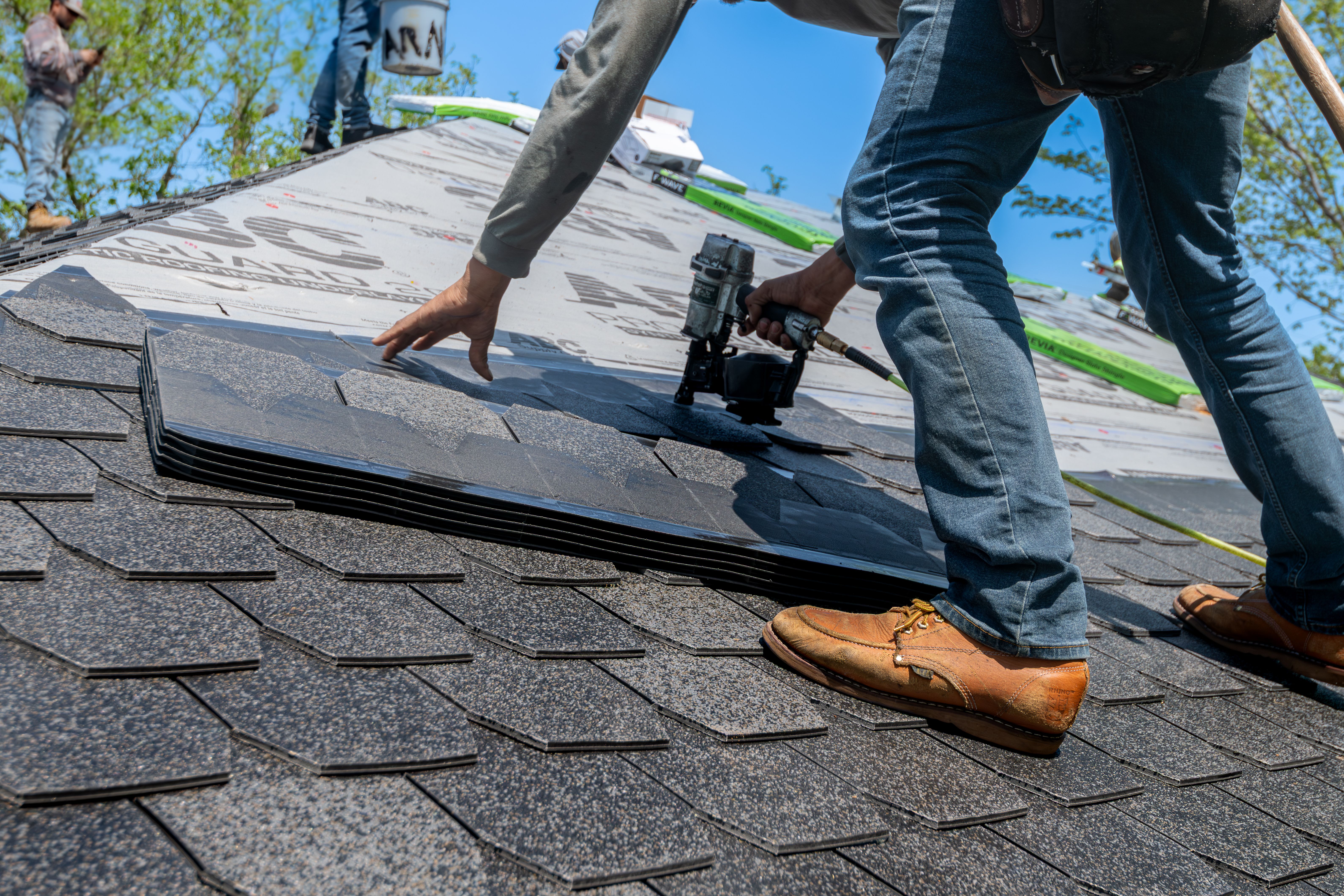
Lytham St Annes sits on a coastal plain of marine silt and sand, which offers little shelter from prevailing south-westerly winds. That exposure drives rain hard against roof surfaces, especially on the gable ends of detached properties.
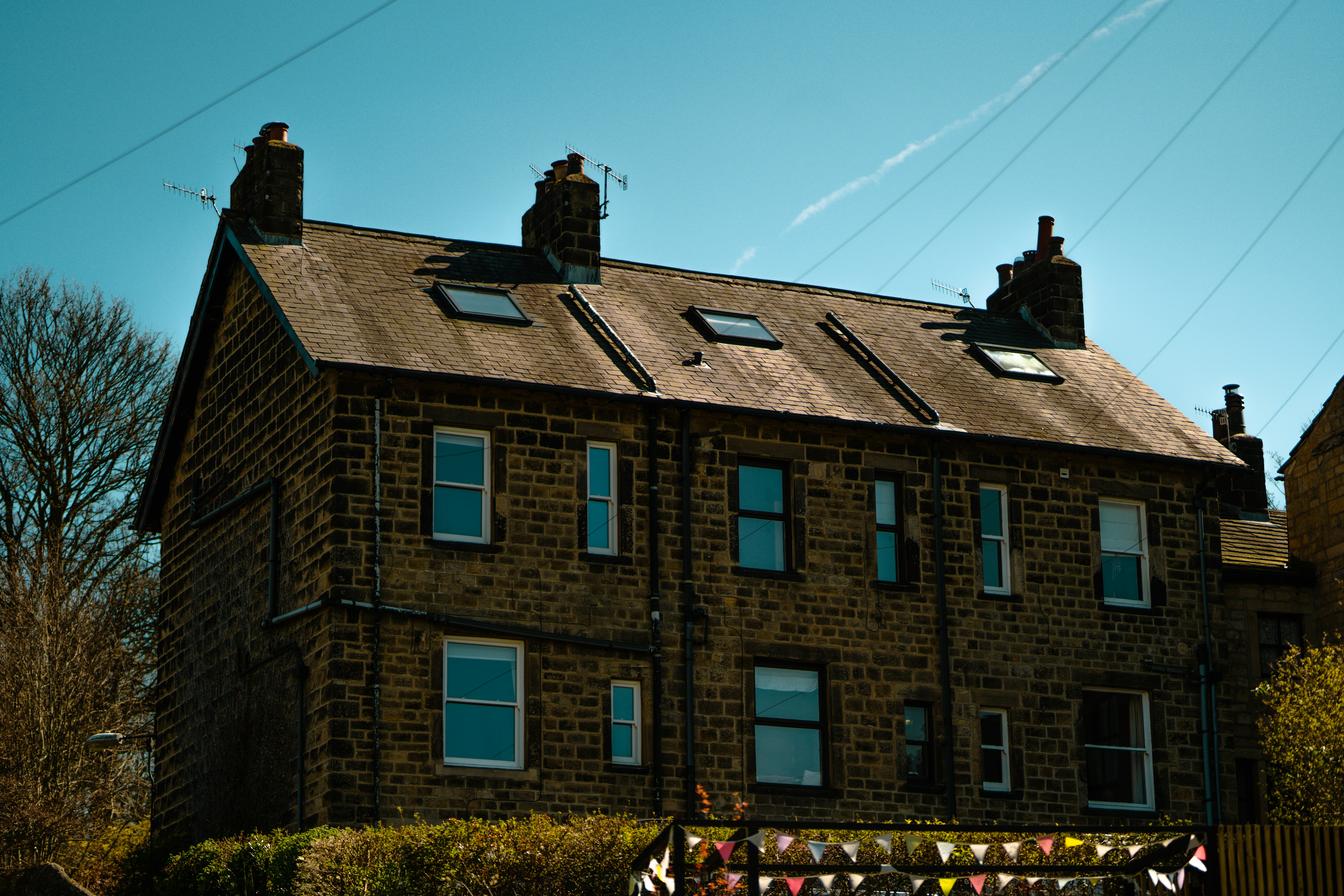
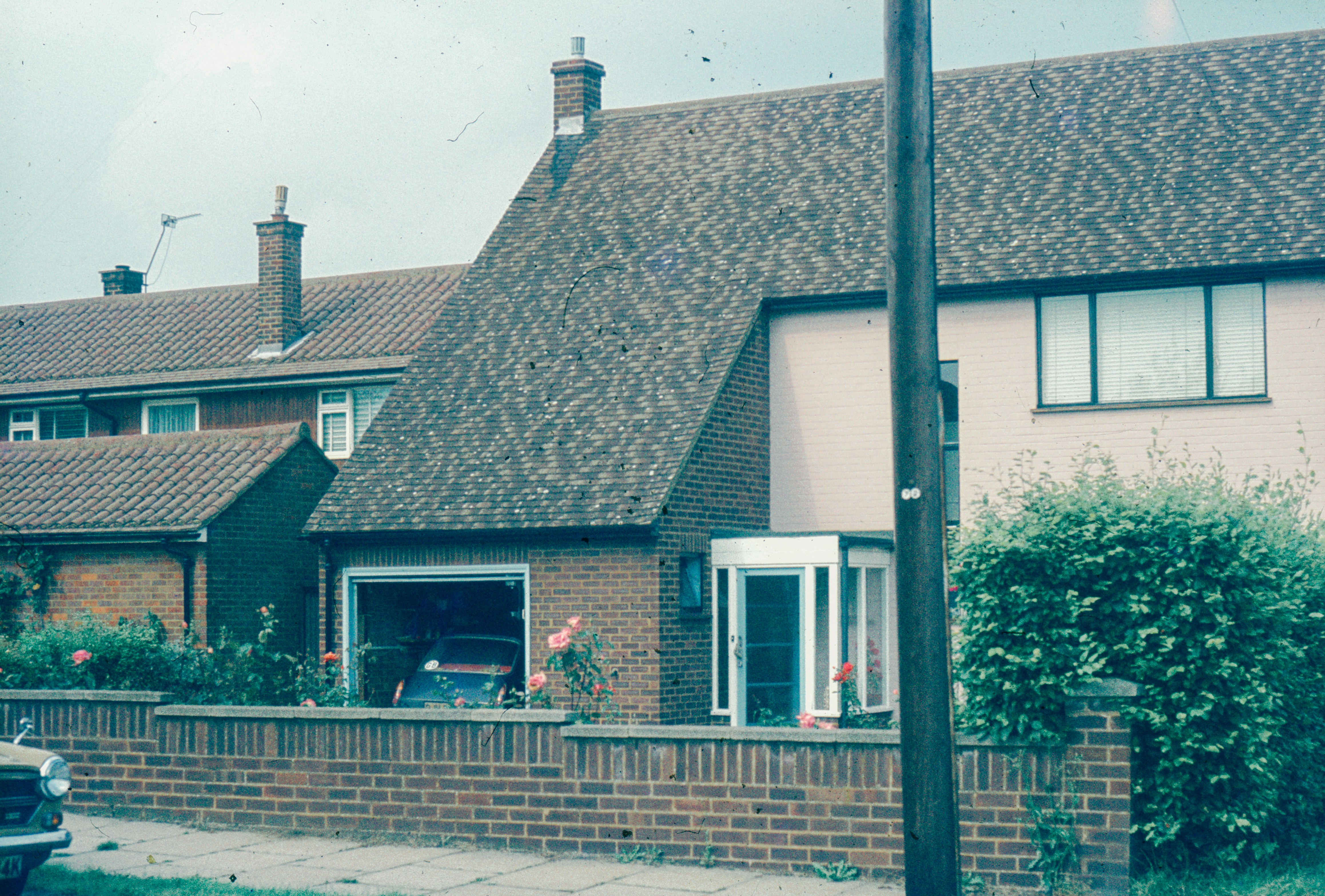
Much of the housing stock dates from the Edwardian and Victorian eras, with steep-pitched slated roofs that rely on precise detailing at hips and verges. Inter-war homes built with clay plain tiles are also widespread, and their mortar bedding is prone to cracking under thermal movement worsened by salty air.
What your roof is telling you
Each sign points to a specific kind of work, not just a general repair.
Roof Repairs
Loose or slipped slates on a steep Edwardian roof often mean corroded nails or failed battens underneath. A specialist checks whether localised repairs will hold or if wider deterioration has set in.
Roof Replacement
When clay tiles on an inter-war semi are extensively cracked or moss-bound, replacement may be more reliable than patching. The new covering must match the original profile and meet current wind uplift standards for coastal zones.
Flat Roof Repairs and Installation
Older flat roofs on bay windows or rear extensions often fail where upstands meet walls. Modern torch-on or single-ply membranes resist salt spray better than traditional felt and last longer in exposed positions.
Chimney Repairs and Repointing
Chimney stacks on Victorian terraces commonly show eroded mortar and leaning pots after decades of wetting and freeze-thaw cycles. Repointing with a lime-rich mix prevents water tracking into flues and brickwork.
Guttering, Fascias and Soffits
Cast iron gutters on period homes often crack at joints from thermal expansion, while uPVC systems on 1930s houses can sag if brackets were spaced too wide. Replacing them with correctly sized, securely fixed runs stops water backing up under eaves.
Emergency Leak Repairs
A sudden leak during a storm usually traces back to a dislodged slate or failed flashing near a dormer. Temporary boarding or tarping secures the area until permanent repairs can be made in dry conditions.
Work suited to this coast
Roof repairs here start with understanding how salt air eats away at metal fixings and how wind pressure lifts edges on steep pitches. Replacing corroded nails with stainless steel ones, or upgrading flashings to lead-coated copper, makes a real difference in longevity.
Flat roofing on older extensions gets upgraded to modern membranes that handle ponding and UV exposure without blistering. Chimney repointing uses breathable mortars that won’t trap moisture in soft red bricks common in the town’s older streets.
What you get after a visit
The inspection settles what needs doing now, what can wait, and what might recur if left.
Clear cause identified
You’ll know whether a leak comes from a failed valley lining, a slipped tile, or blocked gutters, not just that ‘water got in’.
Options explained plainly
If your slated roof has widespread nail corrosion, you’ll hear whether spot repairs will suffice or if re-covering is the sensible choice.
No hidden surprises
The specialist notes any underlying rot in rafters or soffits that standard quotes might miss, so you aren’t faced with extra costs later.
Written record provided
You receive a clear summary of findings and recommended work, useful if you need to discuss options with insurers or plan phased repairs.
Straight answers on roofing
Do you work on listed buildings in Lytham St Annes?
Yes. The specialist who takes your enquiry has experience with period details such as ornamental ridge tiles, cast iron gutters and lime mortar bedding, and will match materials appropriately.
Can storm damage be fixed quickly?
Temporary measures like tarping or boarding can secure the roof within a day. Permanent repairs follow once weather allows safe access and full assessment.
Will my clay tile roof need full replacement?
Not necessarily. If less than 20% of tiles are broken or missing, and battens are sound, targeted replacement often extends the roof’s life by years.
How do you handle salt corrosion on flashings?
Original lead or zinc flashings showing pinholes or splits are replaced with thicker, code-compliant lead or coated alloys that resist salt spray far longer.
Get it sorted properly
Start your enquiry and a specialist covering Lytham St Annes will contact you to discuss what your roof needs.