Roof replacement in Lytham st Annes
Many homes in Lytham St Annes were built during the Edwardian and Victorian eras, with traditional slate roofs fixed to timber battens that loosen over time. The town sits on a low-lying coastal plain with sandy soil, offering little resistance to movement, while exposure to wind-driven rain from the Irish Sea puts constant pressure on flashings, verges and ridge details.
Mid-century suburban housing adds another layer: these roofs often used early forms of concrete tile or bitumen felt, now reaching the end of their service life. When repairs no longer hold, a full replacement becomes the sensible route, especially where underlying battens or sarking have decayed beyond patching.

Older roofs in a coastal setting
Lytham St Annes sits on a low-lying coastal plain with sandy soil that offers little resistance to shifting ground or water retention. This affects how roof structures settle over time, especially where original timber has been exposed to decades of damp air.
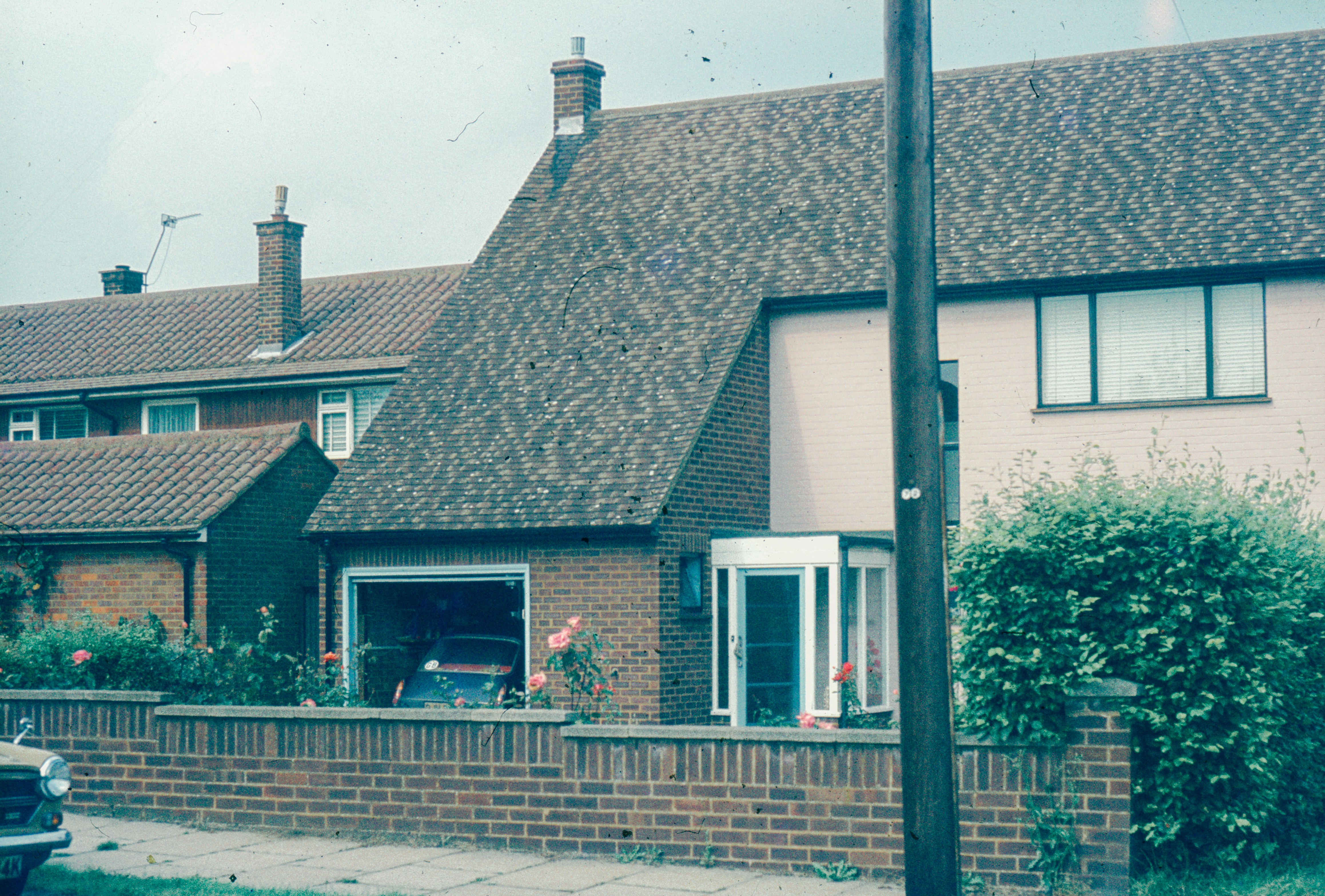
The housing stock reflects two main waves: Victorian and Edwardian terraces and semis with Welsh slate roofs, and mid-century brick-built homes with concrete tiles. Both types show distinct wear patterns, slate roofs often suffer corroded nail fixings and rotted battens, while post-war roofs commonly lack adequate ventilation and insulation by modern standards.
What your roof is telling you
Each sign points to a specific need. A specialist checks what’s behind the surface before deciding whether repair or replacement is right.
Roof Repairs
Loose slates, slipped tiles or localised leaks often mean targeted repairs will suffice, especially on sound underlay and battens.
Roof Replacement
When more than 30% of coverings are failing or the timber structure shows rot, a full replacement stops further water ingress and restores weather resistance.
Flat Roof Repairs and Installation
Older flat roofs on extensions or garages often use degraded felt; modern EPDM or GRP systems offer a longer-lasting solution with better drainage.
Chimney Repairs and Repointing
Cracked mortar or leaning stacks are common on older properties; repointing with lime-based mortar preserves breathability and prevents water tracking down flues.
Guttering, Fascias and Soffits
Sagging gutters or rotten soffits usually signal decades of trapped moisture; replacing them in one job avoids repeat access and matches new roof lines.
Emergency Leak Repairs
After storms or sudden failures, temporary tarping or sealing stops interior damage until a permanent fix can be scheduled.
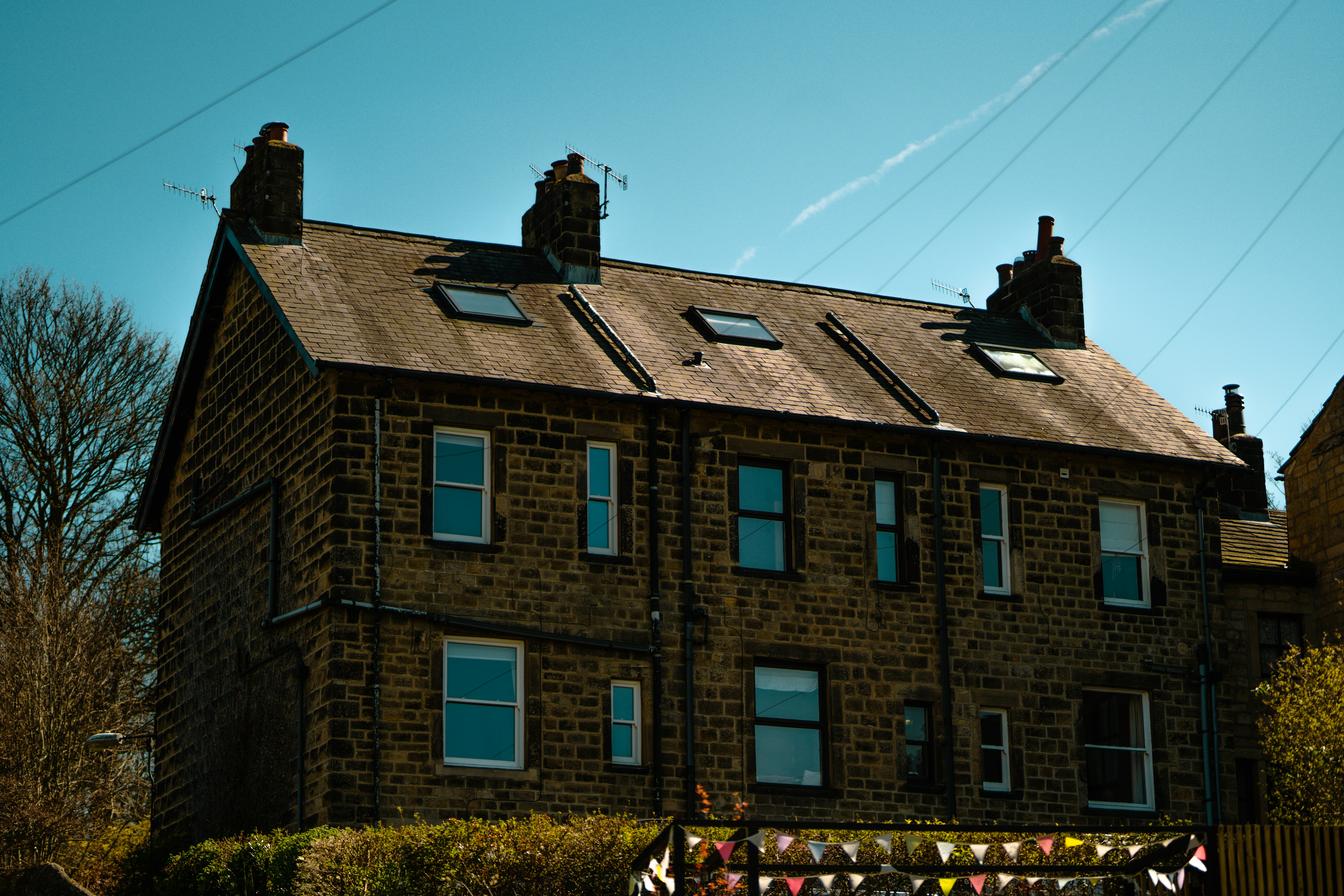
Work suited to Lytham St Annes homes
Roof replacement here often means stripping back to rafters on period properties, checking for batten decay caused by decades of coastal damp, then re-laying with matching materials or approved alternatives. On mid-century homes, it may involve upgrading insulation and ventilation while keeping the original roof pitch and profile.
Flat roofing work focuses on proper falls and edge detailing, critical in an area where persistent rain pools if gradients are off by even a few millimetres. Chimney work respects the original stack construction, using breathable mortars that won’t trap moisture in soft brickwork common in pre-war builds.
What you get after the visit
The specialist who takes your enquiry inspects visually and, where safe, from ladders or poles. They note material types, fixings, underlay condition and signs of past movement or water paths.
Clear cause of failure
You’ll hear whether the problem stems from age, storm damage, poor past repairs or inherent design limits of the original roof.
Options explained plainly
If both repair and replacement are possible, the pros and cons are laid out, including lifespan, cost balance and disruption to your home.
Written summary
A brief report sets out findings, recommended work and why it’s needed, useful if you’re discussing options with insurers or planners.
No hidden extras
The quote covers everything visible at inspection; if hidden rot appears during strip-out, the specialist discusses next steps before proceeding.
Before you get in touch
Do I need planning permission for a full roof replacement?
Usually not, as long as the new roof matches the original shape and materials. If you’re changing pitch, height or finish, especially on a listed building or in a conservation area, you’ll need consent first.
Can you match original slate on an Edwardian house?
Yes. Reclaimed Welsh or Westmorland slate can be sourced to match existing courses, or modern fibre-cement alternatives that mimic the size and texture without the weight.
How long does a full roof replacement take in Lytham St Annes?
Most full replacements on detached or semi-detached homes take 5 to 10 working days, depending on size, weather and whether chimneys or valleys need extra attention.
Will my insurance cover a full roof replacement?
Only if sudden, insured damage, like a fallen tree or storm impact, made it necessary. General wear and tear or age-related failure isn’t covered; the report from the specialist helps clarify this.
Get a clear plan for your roof
Start your enquiry and a specialist covering Lytham St Annes will contact you to discuss what your roof needs.