How to spot storm damage on your roof
Storms along the Fylde Coast often bring driving rain, hail and gusts strong enough to lift tiles or split flashing. What looks like minor wear from the ground can be serious damage once you’re up close, or it might be nothing at all. This guide helps you decide what needs urgent attention and what can wait.
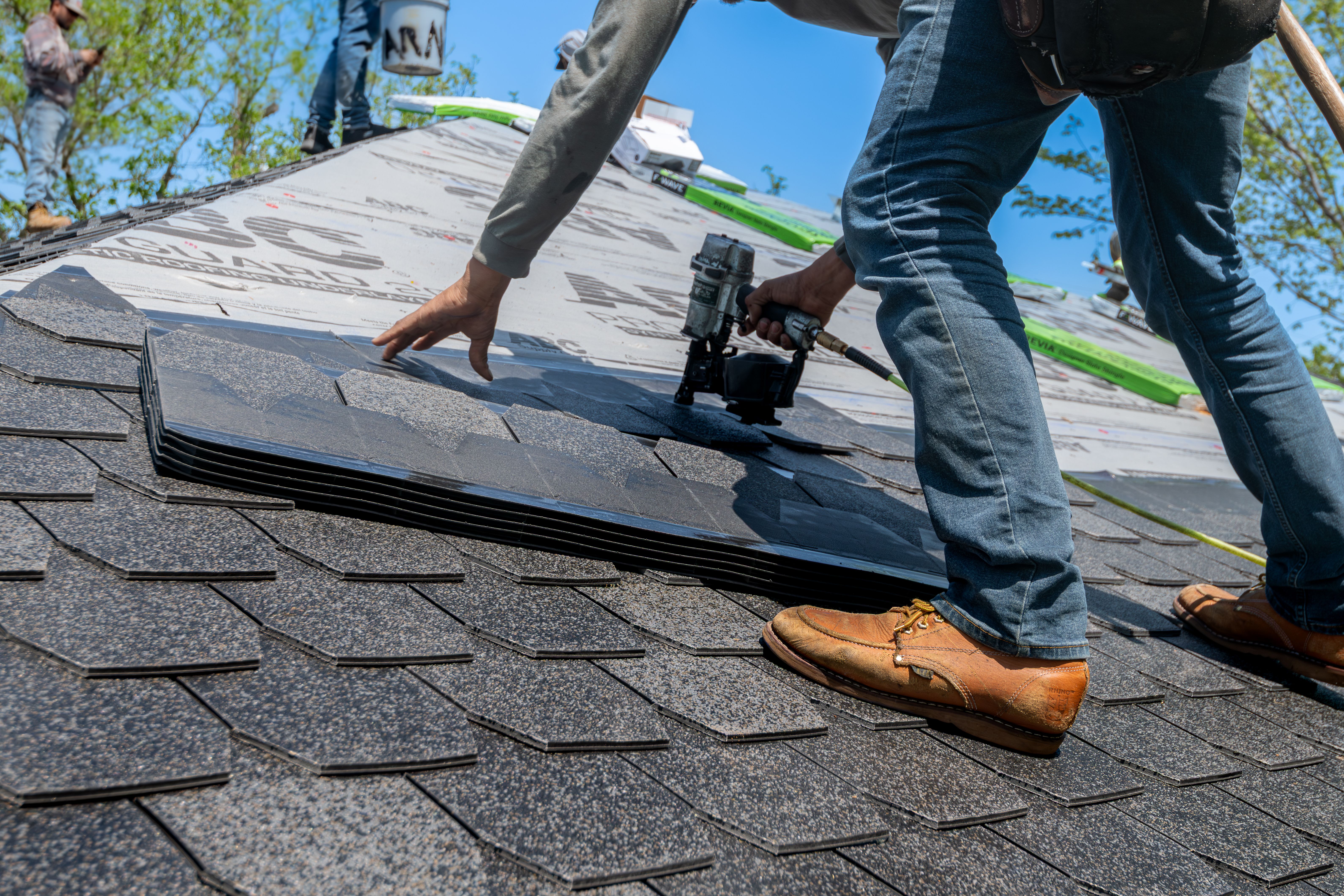
Storms leave clear signs if you know where to look
After a storm passes over Blackpool or Lytham St Annes, check your roof from ground level first. Look for missing tiles, dented metal, or debris caught in gutters. Flat roofs may show ponding water or torn membranes, while older chimneys can lose pointing or develop loose stacks.
Inside the house, watch for new stains on ceilings, damp patches near eaves, or daylight showing through loft spaces. These often mean water is getting past broken slates, slipped tiles or failed seals around vents and pipes.
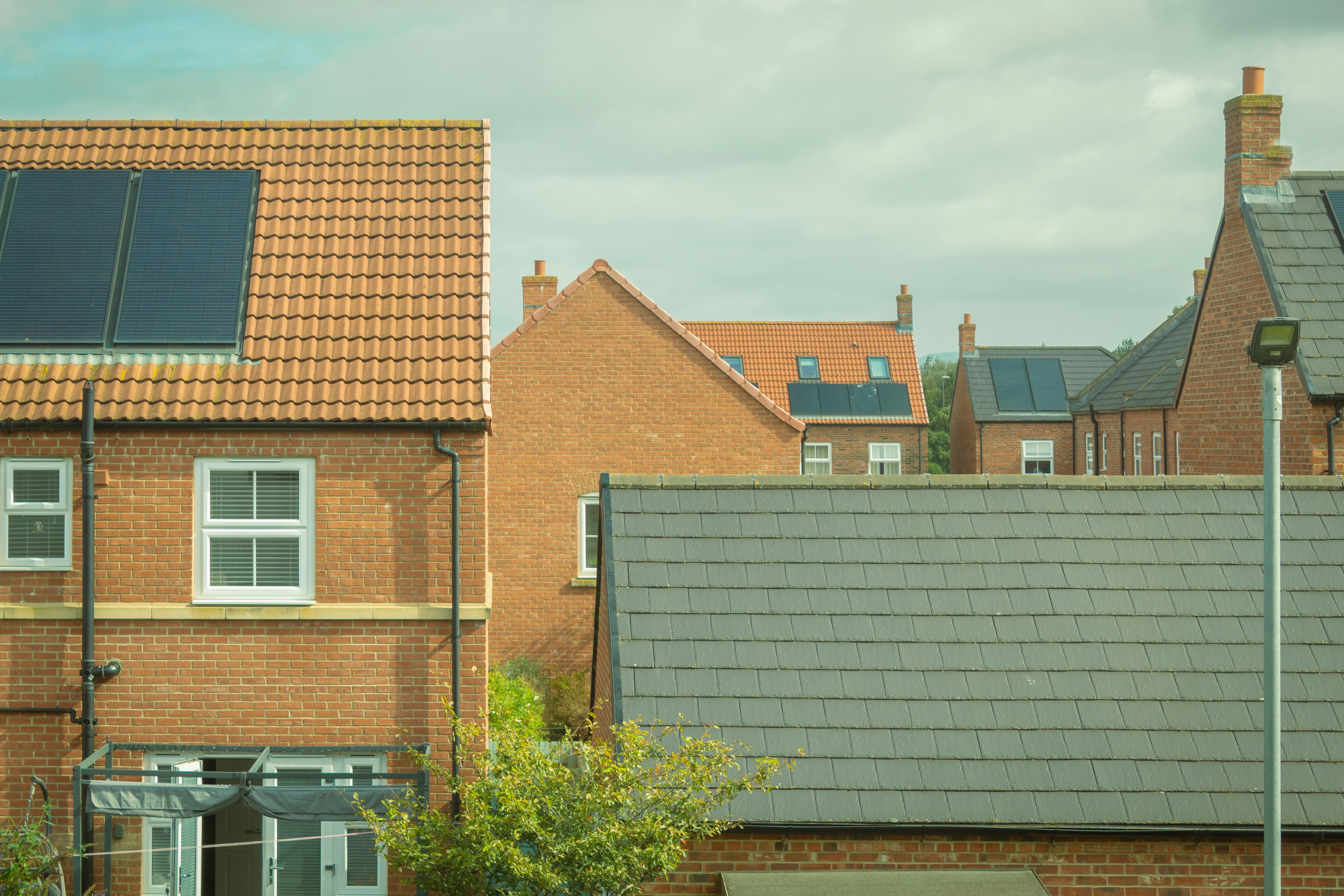
Act early to stop small problems growing
If you spot damage, cover exposed areas with tarpaulin if it’s safe to do so, but don’t climb onto a wet or steep roof yourself. A temporary fix reduces further water ingress until a specialist can assess whether you need emergency leak repairs or more extensive work.
Ignoring even small breaches can lead to rot in rafters, insulation saturation or internal mould, especially in older homes in Cleveleys or Poulton-le-Fylde where ventilation is limited. Quick action often means a simple repair instead of full roof replacement.
What makes an inspection reliable
The specialist who takes your enquiry checks every part of the roof system, not just the obvious break, but also hidden flashings, underfelt condition and how adjacent walls meet the roofline.
Ground and loft checks
They inspect from both outside and inside, looking for movement, staining or daylight where there shouldn’t be any.
Material-specific knowledge
They know how concrete tiles, slate, felt and lead behave differently in coastal weather, and what failure looks like for each.
Clear written record
You receive a plain report naming exactly what’s damaged, why it matters, and whether it’s covered by building insurance.
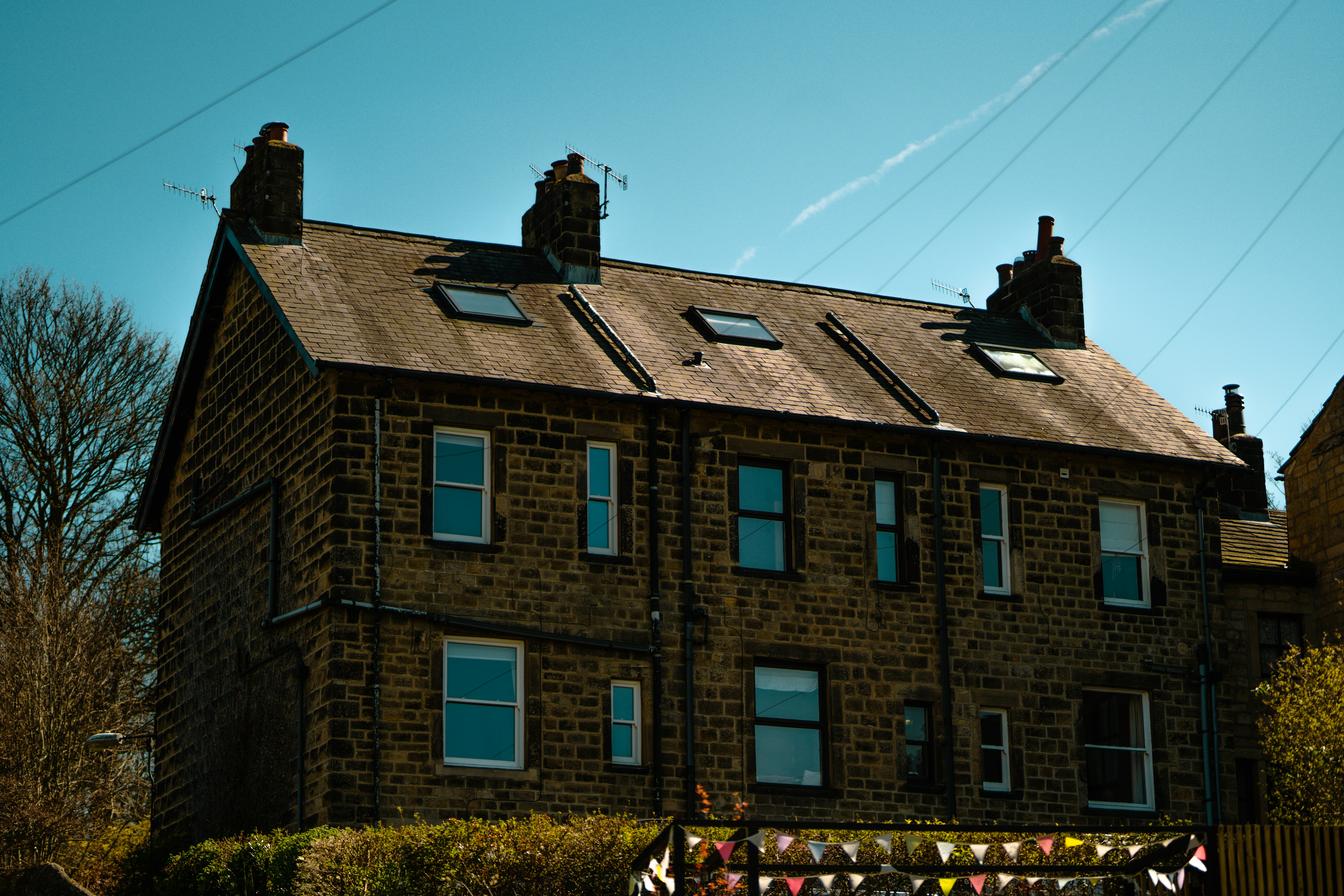
How your enquiry moves forward
Once you describe what you’ve seen, we pass your details to one specialist firm covering your area, whether you’re in Bispham, Thornton-Cleveleys or anywhere else on the Fylde Coast.
Describe what you see
Tell us about missing tiles, leaks, or damage you’ve noticed after recent storms.
Local specialist contacts you
The firm covering your street gets your enquiry and calls to arrange a visit or advise next steps.
Inspection and options
They check the roof thoroughly and explain whether you need emergency leak repairs, chimney work or something more involved.
Worth reading next
Advice
Roof Repair or Full Replacement: How to Decide
How to tell if your roof needs patching up or starting over.
Roof Damage and Building Insurance Claims: What to Know
How to approach a roof damage claim with your insurer.
Advice and guides
Clear, practical advice on common roofing issues and what to do next.
What people ask us about roofing
Can I claim storm damage on my home insurance?
Most building insurance policies cover sudden storm damage, but not wear that was already present. A clear report from the specialist helps support your claim.
Do flat roofs suffer more in coastal storms?
Flat roofs on extensions or garages can be vulnerable to wind uplift and ponding, especially if drainage is blocked. Hail can also split older felt or EPDM membranes.
How soon should I act after spotting damage?
Within a few days if it’s dry, but immediately if rain is forecast or water is entering. Delaying can turn a small repair into major work.
Are older homes in Blackpool more at risk?
Many pre-1970s houses here have steeper pitches and brittle materials that crack under thermal stress or wind load, making post-storm checks especially important.
Get a clear view of what’s needed
We’ll put you in touch with one roofing specialist who covers your part of the Fylde Coast.