Roof damage and insurance claims
Storms off the Irish Sea hit the Fylde Coast hard, and sudden leaks or missing tiles often follow. If your roof has been damaged by wind, rain or fallen debris, your buildings insurance may cover repairs, but only if the cause is an insured event and the damage is recent.
Insurers look closely at whether the problem was sudden or due to long-term wear. A slipped tile from last night’s gale is different from one that’s been loose for months. What you report, and how quickly, can affect whether a claim is accepted.
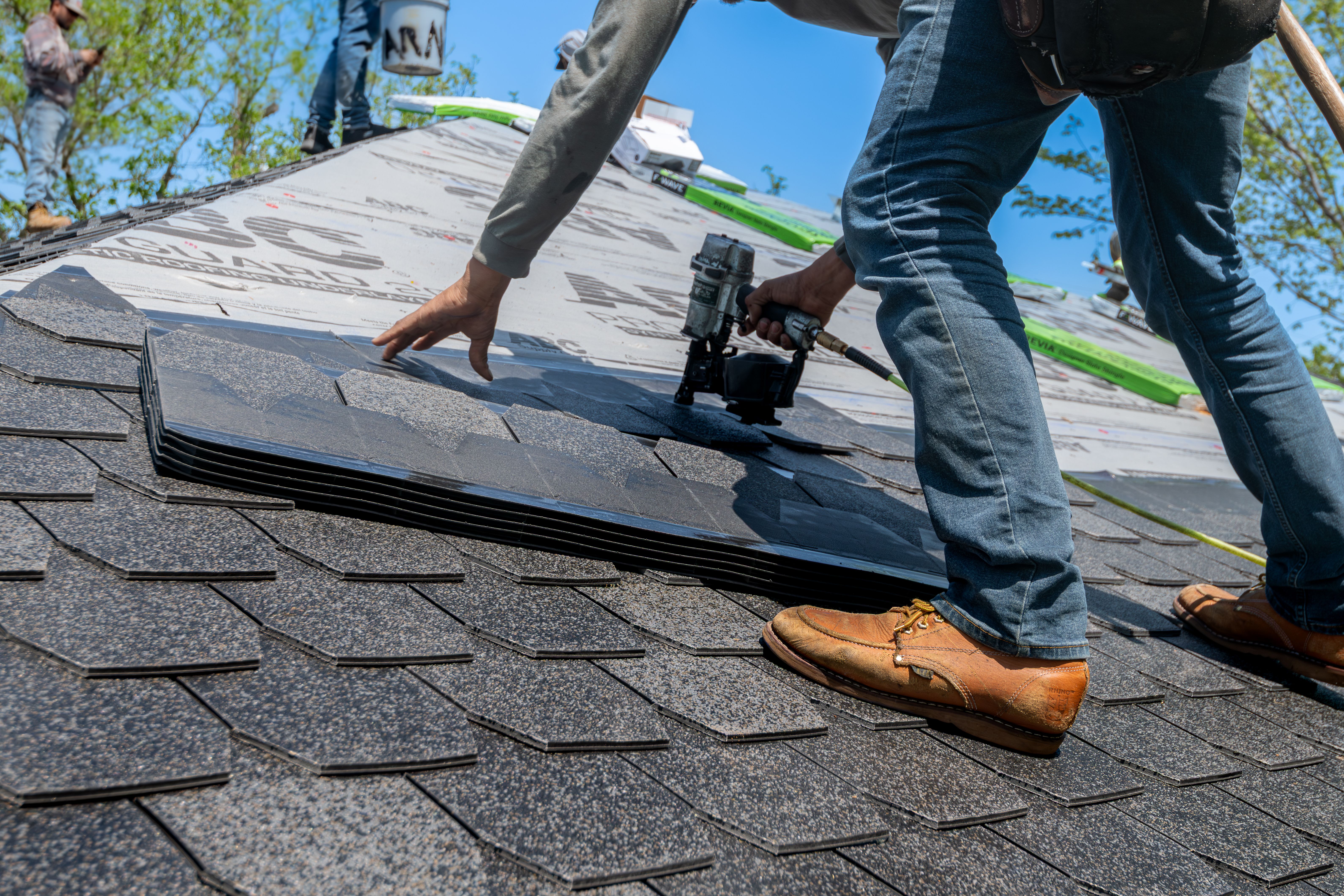
Insurance usually covers sudden, unexpected roof damage
Most buildings policies cover damage caused by storms, falling trees, or other one-off events, not gradual deterioration. If high winds tore off slates or hail cracked tiles, that’s typically covered. But if moss buildup or corroded flashings led to a leak over time, the claim may be refused.
In Blackpool and nearby Bispham or Lytham St Annes, coastal exposure means roofs face salt-laden winds year-round. Insurers know this, so they’ll check whether maintenance had kept up with local conditions. Clear photos and prompt reporting strengthen your position.
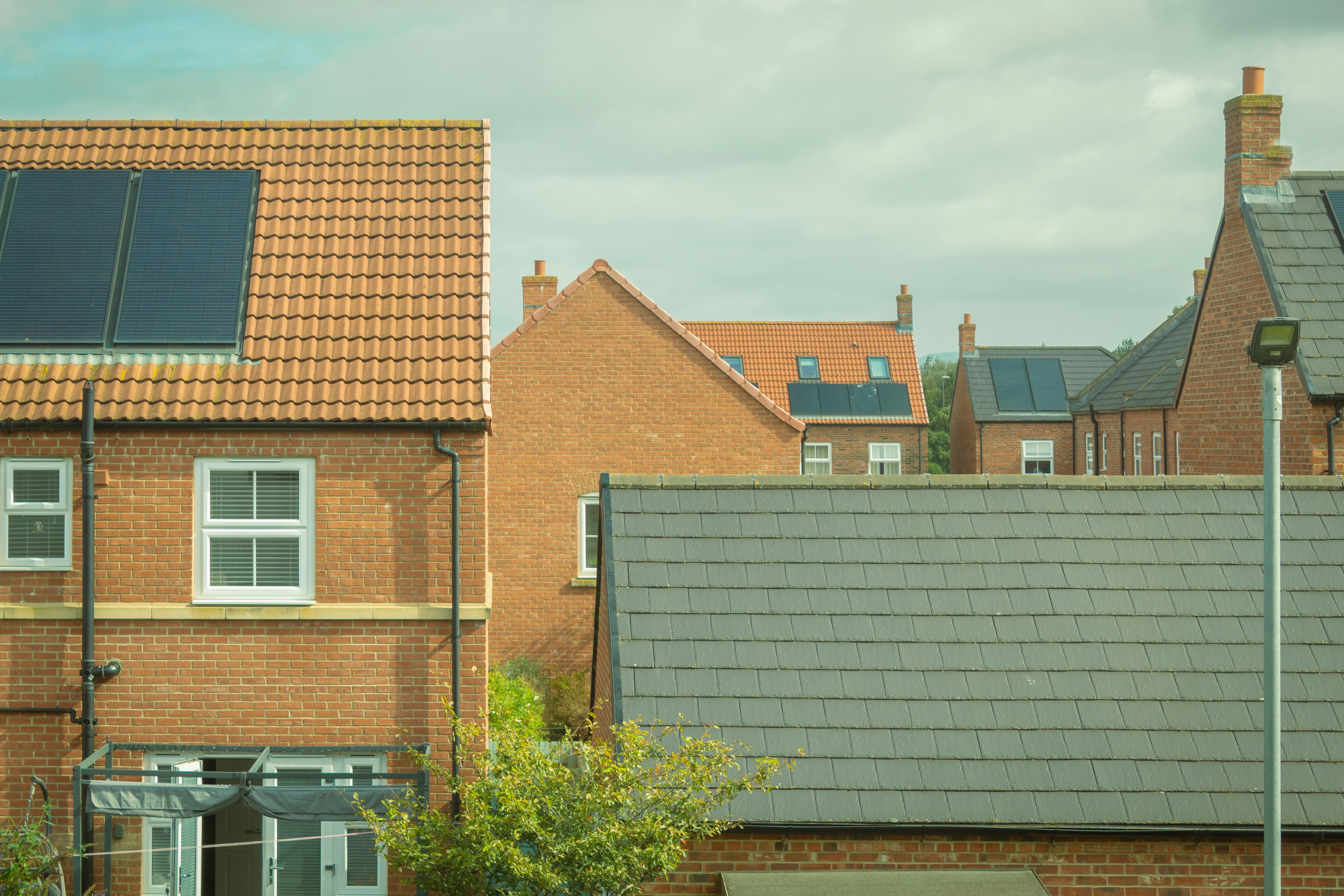
Get a specialist assessment before you claim
A roofing specialist can tell whether the damage is sudden or long-standing. They’ll check for signs like fresh fractures in tiles, displaced ridge cappings, or saturated insulation, evidence that points to a recent event rather than slow decay.
If the assessment supports a claim, you’ll have clear documentation to submit. If not, you’ll avoid a rejected claim that could affect future premiums. Either way, knowing the true cause helps you decide whether to repair under insurance or arrange work directly.
What the specialist checks
The judgement comes from hands-on inspection, not guesswork.
Tile and slate condition
Fresh breaks or clean edges suggest recent impact; weathered fractures point to age.
Flashings and seals
Split or lifted metal around chimneys and valleys shows whether water entry is new or ongoing.
Underlayment and battens
Sagging, rot or daylight through the roof deck reveals structural wear beyond surface damage.
Gutter and fascia alignment
Twisted or detached components often indicate wind loading during a specific storm event.
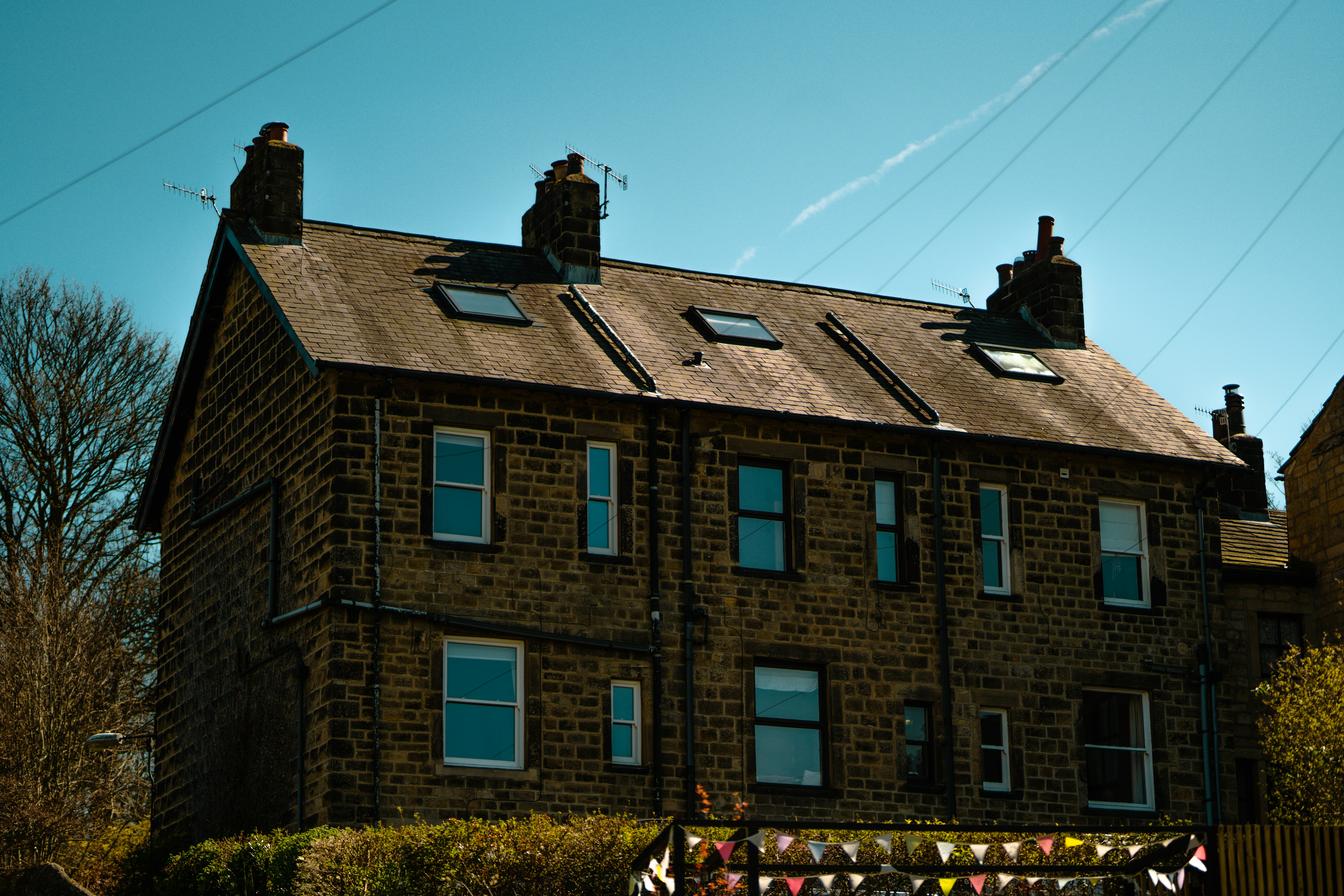
How a claim-ready assessment works
You’ll get a clear view of what happened and what to do next.
Initial enquiry
You describe the damage and when it appeared. The specialist covering your area contacts you directly.
Site inspection
They examine the roof, attic and exterior to identify the cause and extent of damage.
Written summary
You receive a factual account of findings, suitable to share with your insurer if needed.
Repair options
Whether covered by insurance or not, you’ll know what work is required and why.
More on roofing
What we do
Before you get in touch
Will my insurer pay for a full roof replacement?
Only if the entire roof was damaged in one insured event. Most claims cover like-for-like repairs to the affected area, not upgrades or unrelated sections.
Do I need a report to make a claim?
Not always, but insurers often ask for evidence. A specialist’s written summary helps show the damage was sudden and not due to neglect.
What if my claim is refused?
You can still get the roof repaired. The assessment tells you exactly what needs fixing, so you can move forward without delay.
Does this apply to flat roofs too?
Yes. Storm damage to flat roofs, such as torn membranes or displaced insulation, is assessed the same way, though wear patterns differ from pitched roofs.
Get clarity before you claim
A specialist covering Blackpool, Cleveleys or Lytham St Annes can inspect your roof and give you a clear picture of what happened.