Flat roof or pitched roof: which suits an extension?
Many homeowners in Blackpool planning a rear extension, side return or garage conversion face the same early question: should it have a flat roof or a pitched one? The choice affects cost, appearance, maintenance and how well it copes with local weather. This guide sets out what each option means in practice on the Fylde Coast.
The difference matters more than you think
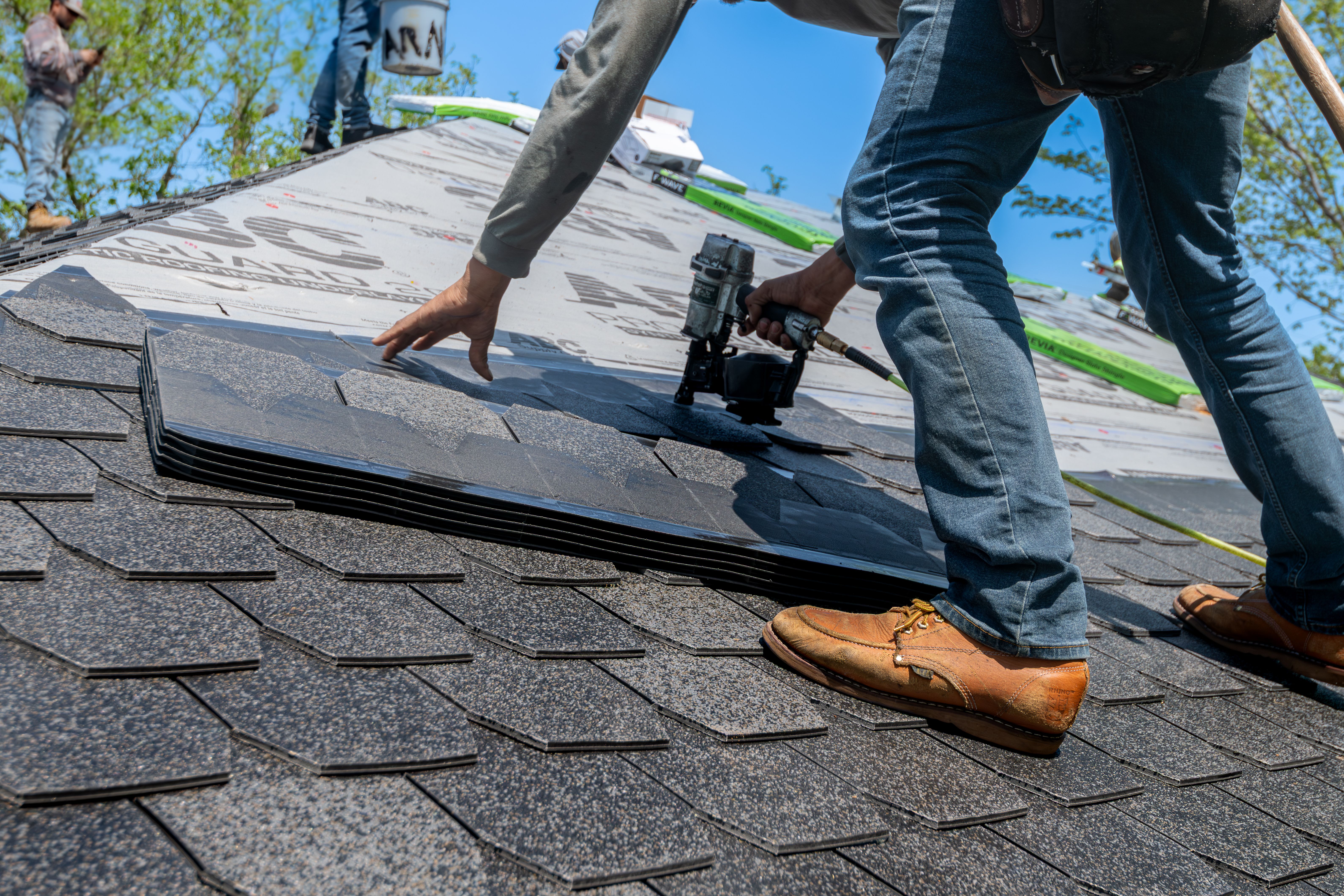
A flat roof isn’t truly flat, it has a slight fall to shed rain, but it still behaves differently from a pitched roof in wind-driven coastal rain and winter storms. Pitched roofs shed water quickly and suit traditional homes in Bispham or Poulton-le-Fylde, while flat roofs offer clean lines for modern extensions in Cleveleys or Thornton-Cleveleys.
Your existing house style, planning rules and budget all shape the decision. A flat roof can cost less upfront but may need resealing every 10–15 years. A pitched roof lasts longer but requires more materials, scaffolding and skilled tiling, especially if you’re matching older concrete or clay tiles common across Lytham St Annes.
What works best where you live
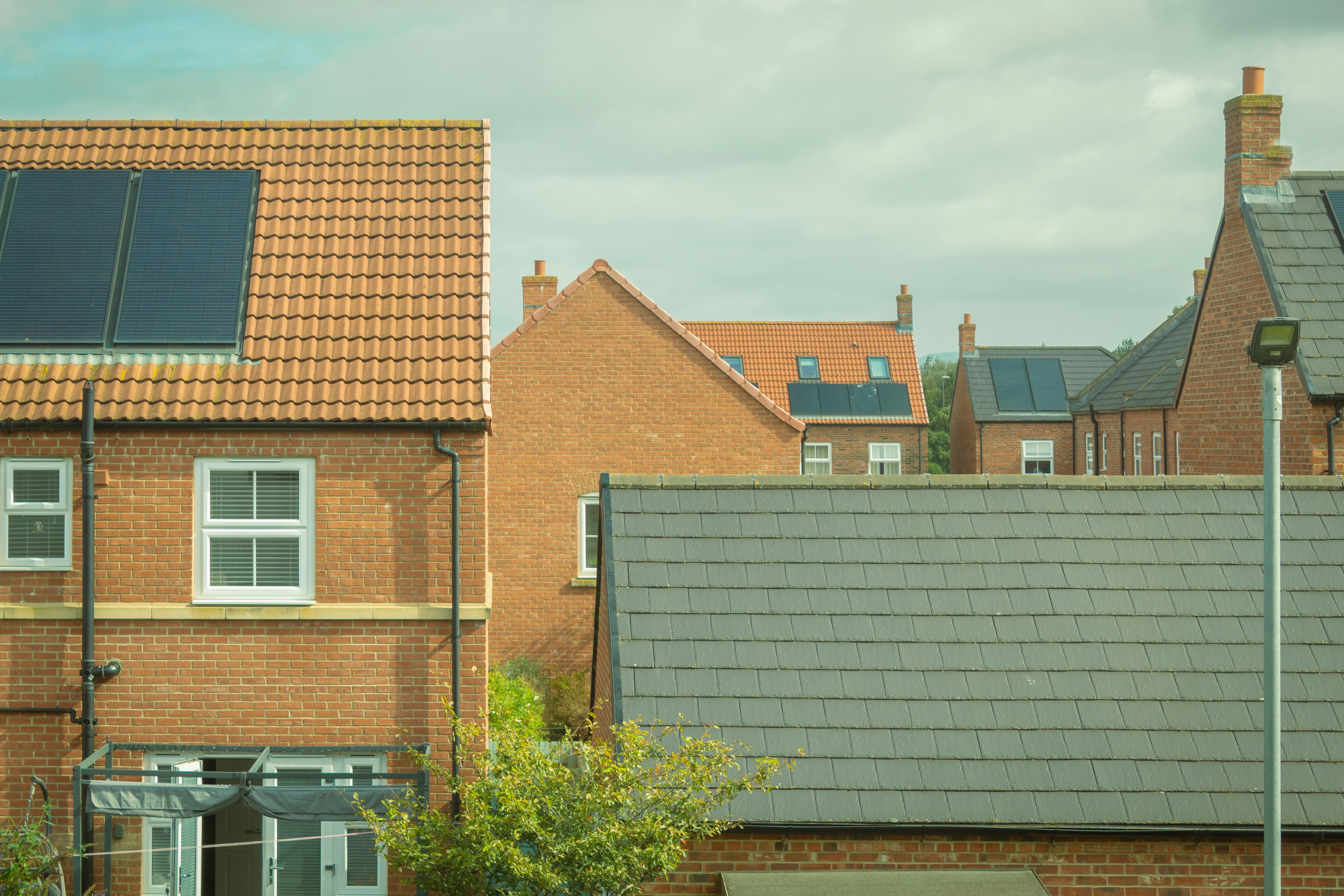
On the Fylde Coast, exposure to salt-laden winds and driving rain means roof detailing matters more than elsewhere. Flat roofs here need high-quality membranes, like EPDM or fibreglass, not just felt, and proper edge trims to stop water tracking back under. Pitched roofs must have secure battens and correctly overlapped tiles to resist uplift in gales.
If your extension joins an existing pitched roof, matching the pitch and tile type avoids awkward junctions that leak. If you’re building over a garage or utility room, a flat roof often gives more usable headroom inside without raising the ridge height. Either way, gutters, soffits and flashings must be designed for the roof type, or you’ll face damp or rot within a few years.
How the right choice gets made
The specialist who takes your enquiry checks what your home needs, not what’s easiest to install.
Site-specific advice
They look at your extension plans, the existing roof line and local exposure before suggesting a system that works in Blackpool’s coastal conditions.
Material suitability
Not all flat roof membranes hold up equally here. The specialist specifies ones proven against UV degradation and thermal movement on the Fylde Coast.
Drainage checked
They confirm falls, outlet positions and gutter capacity so rainwater doesn’t pond or overwhelm downpipes during heavy storms.
How it moves forward
You get clear options before any work starts.
Initial discussion
You describe your extension plans and location. The specialist asks about planning stage, budget range and whether you need help with drawings.
Roof type settled
They explain which roof form suits your design, materials that last locally, and likely costs for flat roofing or roof replacement.
Work carried out
Once agreed, the specialist installs the roof with correct details for your area, whether that’s torch-on membrane, interlocking tiles or fibre cement sheets.
Questions we hear in Blackpool
Can I put a pitched roof on a single-storey extension?
Yes, and it often blends better with older homes in places like Lytham St Annes. The pitch usually matches the main roof or uses a shallower angle if headroom allows.
Are flat roofs prone to leaking in Blackpool?
Only if poorly installed. With proper falls, sealed edges and quality membrane, they perform well, even in coastal rain. Most leaks come from damaged upstands or blocked outlets.
Will my insurance cover storm damage to either roof type?
Building insurance usually covers sudden storm damage if the roof was sound beforehand. Regular maintenance records help prove that if you need to claim.
Do I need planning permission for the roof type?
Often not, if your extension meets permitted development rules. But the roof height, pitch and materials may be restricted in conservation areas like parts of Poulton-le-Fylde.
Get the right roof from the start
Talk through your extension plans with a specialist who knows what works across Blackpool and the Fylde Coast.