Roofing advice that gets to the point
Roof problems rarely wait for a convenient time. Whether it’s a slipped tile after high winds in Cleveleys or slow damp spreading from a failed flat roof in Lytham St Annes, knowing what matters helps you act without panic.
This page sets out what to look for, what usually causes it, and how a specialist checks and fixes it, without guesswork or pressure.
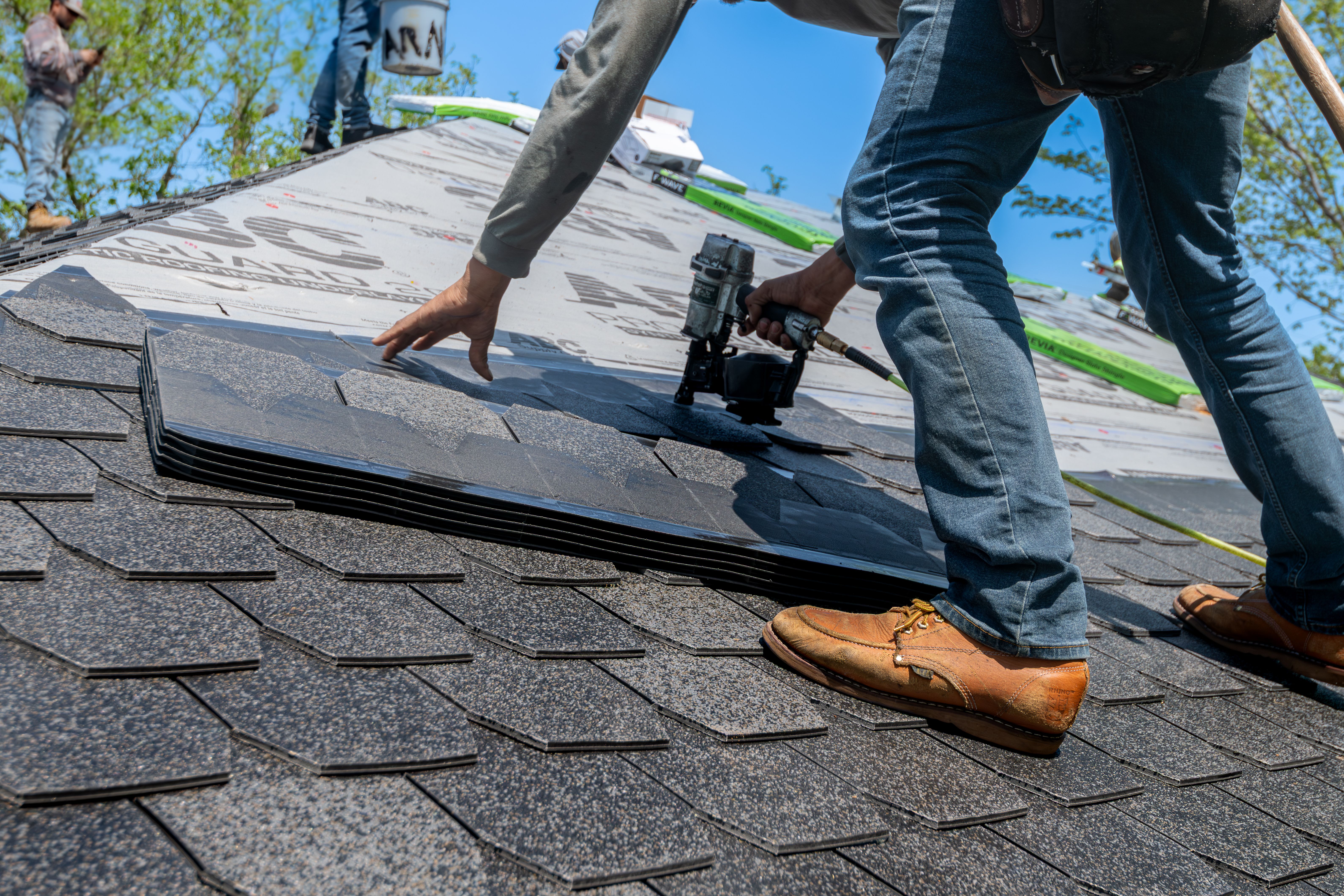
What this advice covers
Most roofing worries start small: a drip in the corner, rust on gutter brackets, moss holding moisture against tiles. Left unchecked, they can lead to rot in rafters, damaged insulation or interior stains that keep returning. The key is spotting which signs need urgent attention and which can wait.
Blackpool’s coastal weather, driving rain, salt-laden winds and frequent freeze-thaw cycles, wears roofs faster than inland areas. Older properties in Bispham or Poulton-le-Fylde often have original clay tiles or aging mortar that needs careful handling, not just replacement.
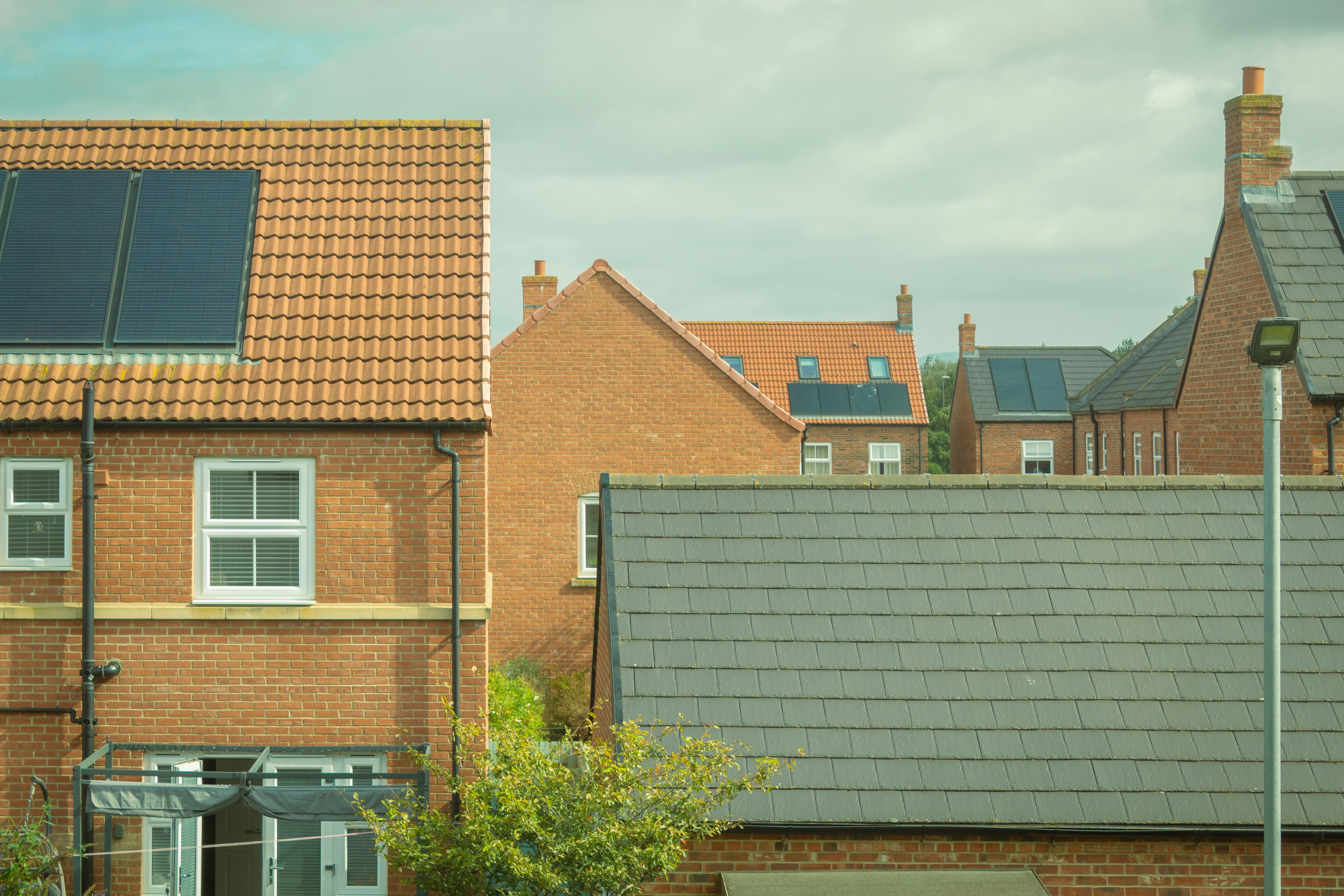
How to respond to roofing issues
If water is getting in, contain the immediate damage with buckets or plastic sheeting, but don’t climb onto a wet or steep roof yourself. Take clear photos of the leak inside and, if safe, the outside area above it. This helps a specialist pinpoint the entry point without unnecessary removal of tiles or boarding.
For non-urgent concerns like cracked pointing on chimney stacks or sagging gutters, note when you first saw it and whether it’s changed after recent storms. That timeline tells a specialist whether it’s active movement or long-settled wear.
Why this work stands up over time
The specialists we pass enquiries to check more than the obvious break or hole. They trace how water moves, where wind lifts edges, and whether underlying timber has softened.
Checks beyond the visible
A specialist looks under eaves, inside lofts and along abutments to find hidden saturation or rot that isn’t obvious from ground level.
Material matching
Repaired sections use tiles, slates or membranes that match the existing roof’s profile and lifespan, avoiding mismatched patches that stand out or fail early.
Weather timing
Work is scheduled to avoid laying felts or sealants in rain or frost, because adhesion fails if surfaces aren’t dry and stable.
Drainage verification
After gutter or flat roof work, downpipes are tested with water flow to confirm no blockages or misalignment remain.
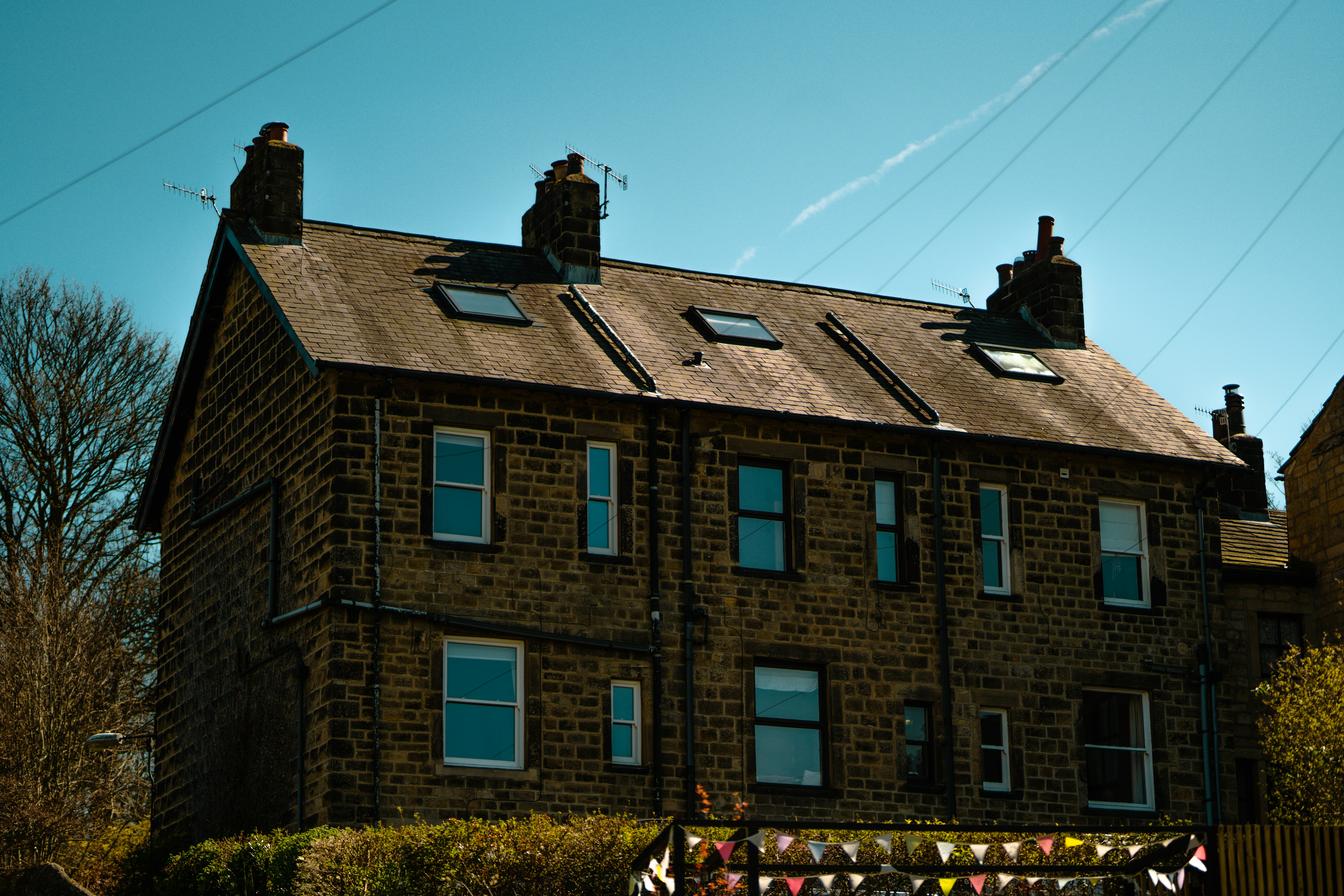
How your enquiry becomes action
You describe what you’ve seen and where it is on the roof.
Describe the issue
Tell us where the problem is, front slope, rear flat section, chimney side, and what you’ve noticed: drips, daylight, sagging, noise in wind.
Assigned locally
Your details go to one roofing specialist who works regularly in your town, whether that’s Thornton-Cleveleys, Lytham St Annes or central Blackpool.
Site assessment
The specialist inspects the roof safely, often using ladders or poles with cameras, and checks interior signs like staining or mould patterns.
Clear options
You receive a straightforward explanation of repair versus replacement, including why one suits your roof’s age, pitch and exposure.
Work carried out
If you go ahead, the same specialist who assessed the job does the work, so nothing gets lost in handover.
Worth reading next
What people ask us about roofing
Can I claim roof storm damage on my insurance?
Most building policies cover sudden storm damage like missing tiles or punctured membranes, but not gradual wear. A specialist’s report showing the cause and timing helps support your claim.
How do I know if my flat roof needs replacing?
Blisters, cracks that reopen after patching, or persistent ponding water after rain usually mean the membrane has failed. Repairs may buy time, but replacement stops recurring leaks.
Why are my gutters pulling away from the fascia?
Blocked downpipes or corroded brackets overload the system. If the fascia board behind is soft or stained, it needs replacing before new gutters go on, or they’ll fail again quickly.
Should I replace all my roof tiles if only a few are broken?
Not usually. Individual tiles can be lifted and swapped without disturbing the whole roof, unless the surrounding ones are also brittle or slipping. A specialist checks how sound the rest are before deciding.
Their fix addresses the cause, not just the symptom. Every job includes checking adjacent areas that often fail next, like valley flashings near repaired slates or soffits behind cleaned gutters, so one repair doesn’t lead to another three months later.
- Debris cleared fully: All old nails, torn felt and broken tiles are removed from the site, including from valleys and behind parapets where they trap water.
We pass that detail to one specialist firm covering your part of the Fylde Coast. They contact you directly to arrange a visit or discuss next steps. There’s no obligation, and you’ll get a clear explanation of what’s needed before any work starts.
Get clear answers fast
Describe what you’re seeing, and we’ll connect you with a roofing specialist who covers your area.