Roofers in Cleveleys
Cleveleys sits on low-lying ground close to the Irish Sea, where sandy soils and persistent wind-driven rain shape how roofs age. Much of the housing dates from the 1930s to the 1960s, with semi-detached brick homes, detached properties and older terraced rows forming the typical streetscape. These homes often carry traditional pitched roofs with concrete or clay tiles, and many have flat-roofed extensions added later.
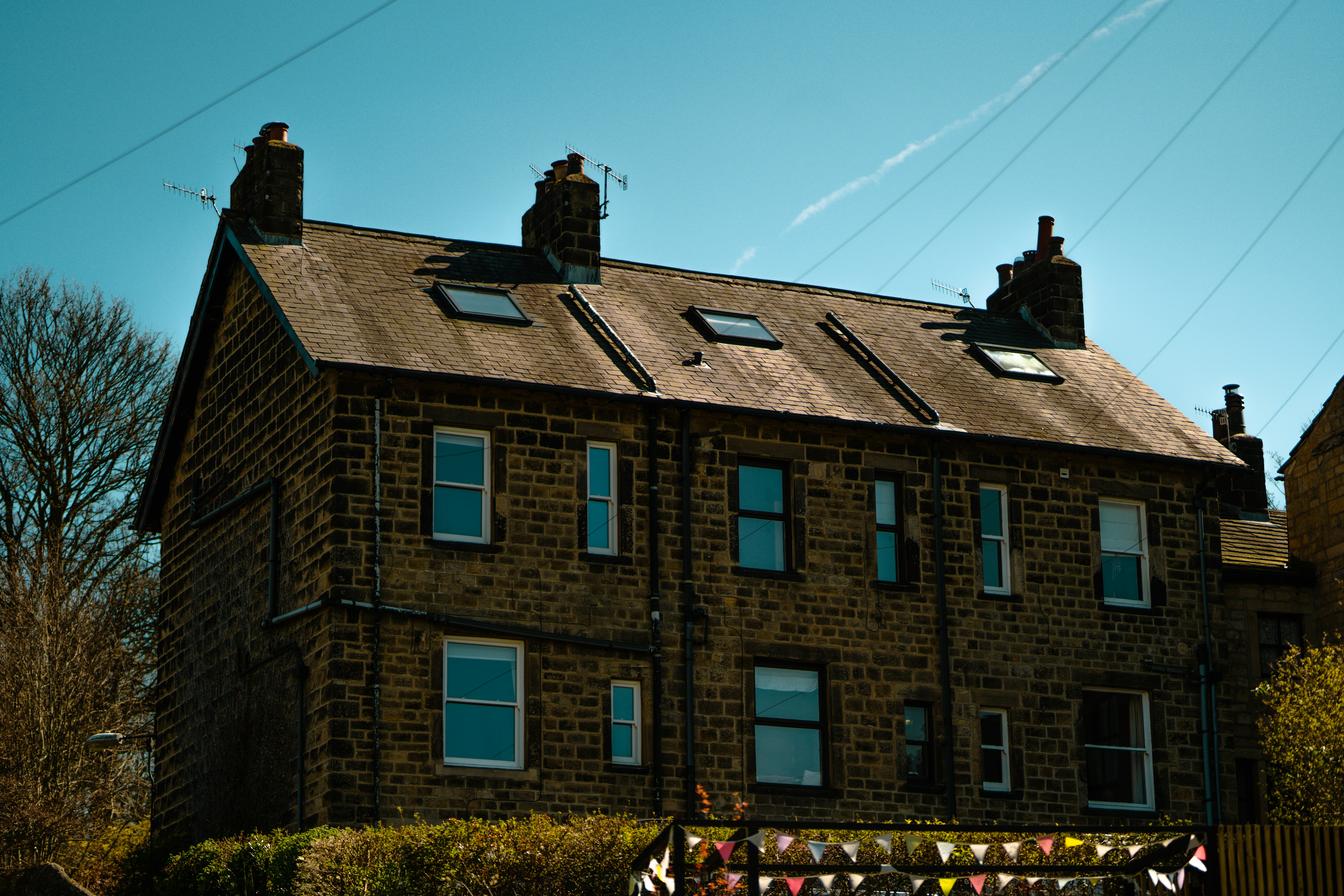
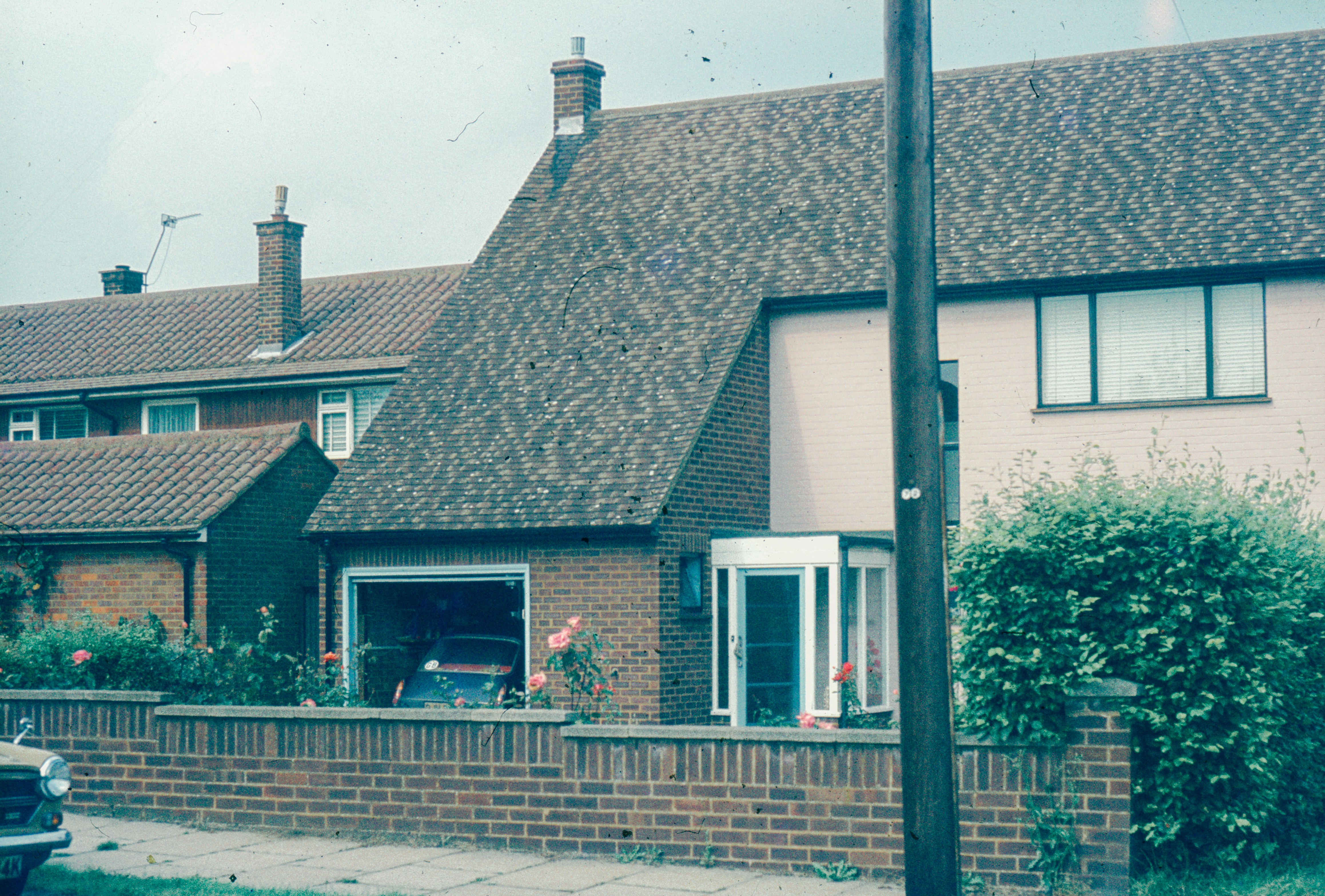
Cleveleys’ housing and roof exposure
Cleveleys features coastal housing stock predominantly dating from the interwar period through to the post-war decades, featuring semi-detached and detached brick properties alongside terraced rows.
Roofing in the area is frequently subjected to high wind-driven rain and severe coastal weather originating from the Irish Sea, leading to accelerated weathering of mortar ridges and tile fixings.
The local terrain consists of low-lying coastal ground with sandy soils, which can increase exposure risks for lightweight roof coverings and lead to damp issues if sub-roof ventilation is inadequate.
What your roof issue usually means here
Each sign points to a specific need, based on what shows up most often in Cleveleys homes.
Roof Repairs
Loose or missing tiles after a storm, slipped verges or cracked pointing are common here and often need prompt attention to stop water tracking under the covering.
Roof Replacement
When the original covering has reached end-of-life, often shown by widespread tile delamination, sagging battens or internal staining, a full replacement restores weathertightness and matches the home’s character.
Flat Roof Repairs and Installation
Many post-war extensions in Cleveleys use flat roofs; blistering membranes, ponding water or perished edge trims signal that repair or re-covering is due.
Chimney Repairs and Repointing
Coastal winds erode chimney mortar quickly, leaving voids that let rain into the stack; repointing with lime-rich mortar suited to older brickwork stops further decay.
Guttering, Fascias and Soffits
Constant exposure to salt-laden rain corrodes metal gutters and rots timber fascias, especially on north-facing elevations; replacing them with maintenance-free systems prevents ongoing leaks.
Emergency Leak Repairs
Sudden leaks during heavy rain, often entering around failed flashings or damaged valleys, can be temporarily secured within hours to protect ceilings and walls until permanent work follows.
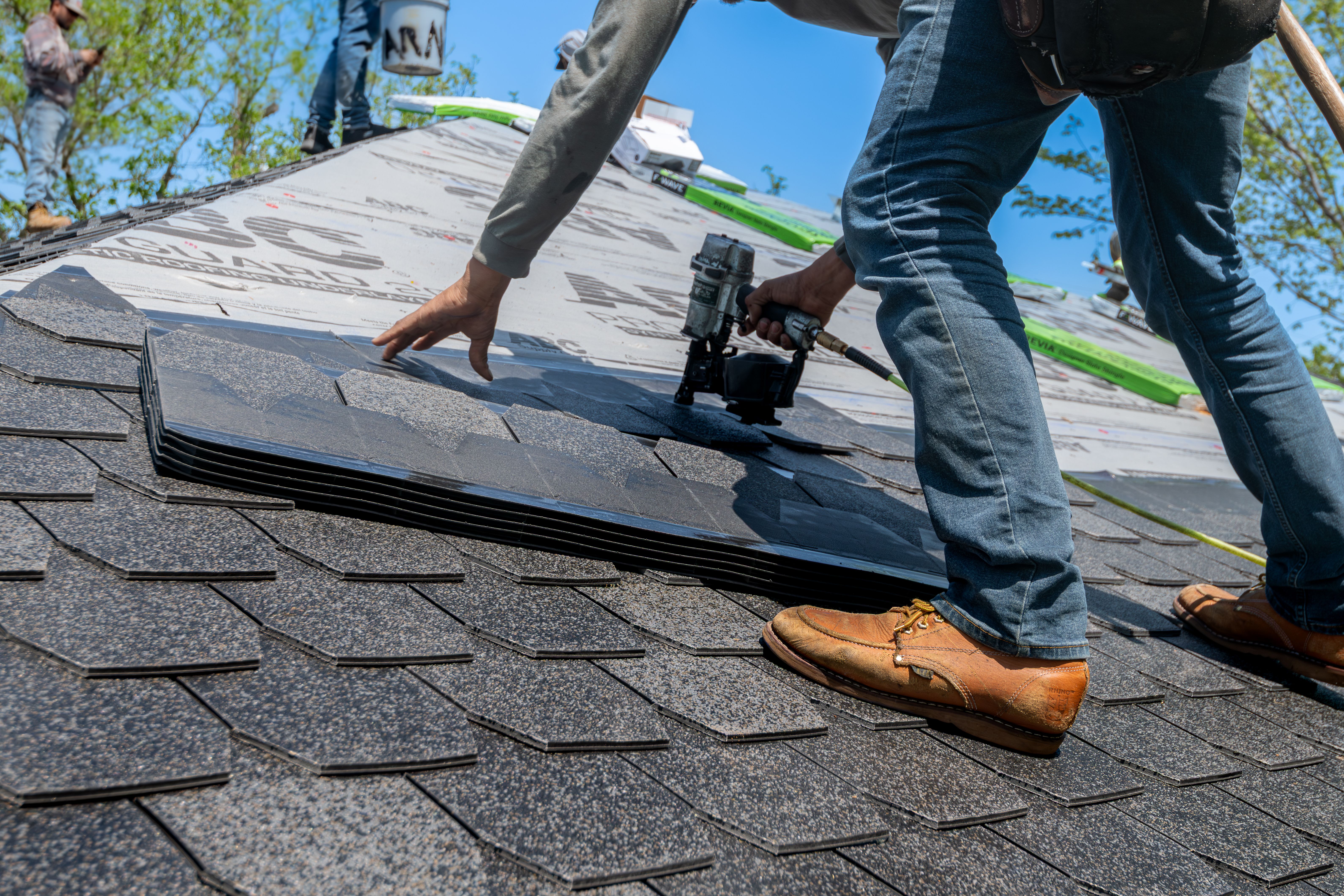
Work done across Cleveleys and nearby
Roof repairs here focus on restoring weathertightness without overhauling sound structure, replacing slipped tiles, rebedding ridges and sealing perished flashings. Full roof replacements match original profiles but often upgrade insulation and ventilation to suit modern standards.
Flat roofing work uses modern torch-on or single-ply membranes suited to exposed sites, while chimney repairs respect the softer brickwork common in pre-1970s builds. Guttering and soffit work replaces corroded or rotten sections with uPVC systems designed for high-rainfall zones. Emergency leak calls are handled with temporary patches that hold until permanent fixes can be scheduled.
What you get from a specialist visit
The inspection settles what’s urgent, what can wait, and what the root cause really is.
Clear cause identified
The specialist checks whether damage stems from weather exposure, age-related failure or poor past repairs, and explains which it is.
Photos and notes recorded
Key areas of concern are photographed and logged, so you have a clear record for insurance or future reference.
Options explained plainly
You’ll hear what repair or replacement involves, why one suits better than the other, and what materials will last in this coastal setting.
No hidden triggers
If the problem turns out to be minor, like a slipped tile or blocked gutter, you’ll be told straight away, with no pressure to proceed.
Questions we hear in Blackpool
Do I need a full roof replacement if tiles are missing?
Not usually. Isolated missing tiles can be replaced individually, unless the surrounding fixings are also corroded or the underlay is exposed.
Can flat roofs in Cleveleys last long given the weather?
Yes, if they’re installed with robust membranes and proper falls. Older felt roofs often fail within 10–15 years, but modern systems handle coastal exposure far better.
Will chimney repointing stop damp inside?
It will if the damp is coming from rain entering eroded mortar joints. If the damp persists, the specialist will check for other sources like defective flashings or internal condensation.
Are emergency repairs just a temporary fix?
They’re meant to stop active water ingress immediately. Permanent repair follows once the weather allows and materials are ready.
Get a clear view of your roof
A specialist covering Cleveleys will inspect your roof and explain exactly what’s needed, with no obligation to go ahead.